10 Essential Books on Addiction & Recovery

Life-Changing Reads from Clinical Experts and Those in Recovery

Addiction and recovery touch millions of lives. This curated list brings together the most essential and transformative books on the subject—combining clinical expertise, neuroscience research, and powerful personal memoirs. Whether you're seeking understanding, hope, or practical guidance, these ten books offer profound insights into addiction's nature and the remarkable possibility of recovery.

Alcoholics Anonymous: The Big Book
01

Alcoholics Anonymous: The Big Book

by Alcoholics Anonymous World Services

"We admitted we were powerless over alcohol—that our lives had become unmanageable."

The foundational text of the Alcoholics Anonymous program, presenting the Twelve Steps through personal narratives and practical guidance. This 1939 classic emphasizes spiritual principles, community support, and the possibility of transforming one's life through honesty, humility, and service.

The Big Book remains the cornerstone of addiction recovery worldwide, offering a time-tested framework that has helped millions achieve sobriety. Its influence on recovery culture and treatment approaches is immeasurable, making it essential reading for anyone seeking to understand modern recovery movements and their philosophical underpinnings.

  • Admission of powerlessness is the first step toward recovery and personal transformation
  • Spiritual principles and community support are central to sustained sobriety
  • Recovery requires honest self-examination and making amends for past harms
  • The program works through service to others and helping fellow addicts find recovery
  • Heavy emphasis on religious/spiritual concepts alienates secular and non-theistic readers; critics argue the claim of being 'spiritual, not religious' rings hollow given numerous God references
  • Relies on anecdotal evidence rather than empirical research; AA has historically resisted scientific scrutiny of its efficacy
  • Doctrinal framework attributing alcoholism solely to a spiritual malady may underestimate biological and genetic factors in addiction

"AA's approach remains one of the most effective community-based recovery programs, with millions achieving lasting sobriety through its principles."

Dr. Robert Huebner, Former Director of National Institute on Alcohol Abuse and Alcoholism

"The Big Book's cultural impact on recovery literature cannot be overstated; it fundamentally shaped how we understand and approach addiction treatment."

Gabrielle Glaser, Author and Addiction Researcher

In the Realm of Hungry Ghosts: Close Encounters with Addiction
02

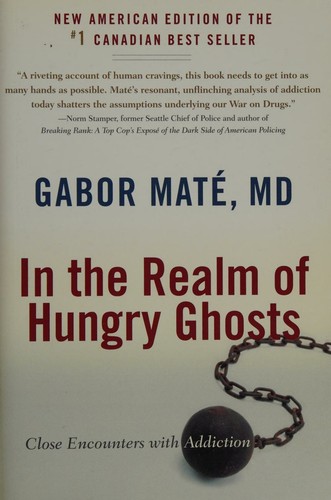
In the Realm of Hungry Ghosts: Close Encounters with Addiction

by Gabor Maté, MD

"Not all addictions are rooted in abuse or trauma, but all can be traced to painful experience. A hurt is at the centre of all addictive behaviours."

Drawing from twenty years of work with severely addicted individuals on Vancouver's skid row, Dr. Maté presents a compassionate, holistic examination of addiction. He traces addiction to trauma and developmental factors, arguing that understanding the pain beneath addiction is essential to compassionate, effective treatment.

This book fundamentally reframes addiction from a moral failing to a response to trauma and unmet emotional needs. Maté's integration of neuroscience, psychology, and personal narratives offers both clinicians and families a more empathetic understanding of addiction's roots, advocating for treatment grounded in compassion rather than punishment.

  • Addiction is fundamentally a response to pain and unmet emotional needs, not a character defect
  • Understanding the developmental and traumatic roots of addiction is essential for effective compassionate treatment
  • The brain's reward system becomes disrupted through sustained trauma, making addiction a neurobiological condition
  • Healing requires addressing underlying trauma and rebuilding secure human connections
  • De-emphasizes personal agency and choice in addiction; critics argue that compassion-based approaches may inadvertently undermine accountability
  • Framework places heavy emphasis on trauma etiology, potentially overlooking genetic predispositions and individual biological variations in addiction vulnerability
  • Some clinical approaches suggest that Maté's model of unconditional compassion may be difficult to implement in resource-limited treatment settings

"Excellent—Maté forces readers to confront the mentality that drives tough-on-addiction approaches while offering detailed characterization of patients."

The Vancouver Sun, Major Canadian Newspaper

"Gabor Maté brings profound wisdom to understanding how trauma underlies addiction and how we can heal with compassion and understanding."

Bessel van der Kolk, MD, Author of 'The Body Keeps the Score'
Beautiful Boy: A Father's Journey Through His Son's Addiction
03

Beautiful Boy: A Father's Journey Through His Son's Addiction

by David Sheff

"Fortunately I have a son, my beautiful boy. Unfortunately he is a drug addict. Fortunately he is in recovery. Unfortunately he relapses. Fortunately he is in recovery again."

A heart-wrenching memoir of a father's experience watching his son battle methamphetamine addiction. Sheff documents the cycles of relapse and recovery with raw honesty, exploring how addiction devastates families and the role of hope and unconditional love in the recovery journey.

This essential read captures what families experience when a loved one struggles with addiction—the false hopes, devastating relapses, and persistent love. Sheff's narrative humanizes addiction for those without personal experience while offering profound insights for families navigating similar circumstances.

  • Addiction profoundly impacts entire families, not just the individual struggling with substances
  • Relapse is often part of the recovery journey; setbacks don't erase progress or eliminate the possibility of eventual sustained recovery
  • Parental love and persistence matter, but parents cannot control their adult child's recovery—accepting limits on one's influence is crucial
  • Education about addiction helps families avoid enabling behaviors and respond with compassion rather than judgment
  • Some critics argue the narrative privileges the father's perspective over fuller exploration of family dynamics and potential parental contributions to Nic's underlying pain
  • Sheff's measured, analytical tone may underrepresent the emotional chaos and trauma that addiction creates; some found his presentation too composed
  • Limited exploration of systemic and socioeconomic factors; the family's access to resources may not be representative of most families facing addiction

"David Sheff writes with candor, courage, and grace his family's harrowing story. Beautiful Boy is an important book. It is moving, timely, and sobering."

Richard Branson, Entrepreneur and Author

"Those of us who love an addict—or are addicts ourselves—will find Beautiful Boy a revelation. His extraordinary book describes it better than anything else I've read."

Martin Sheen, Actor
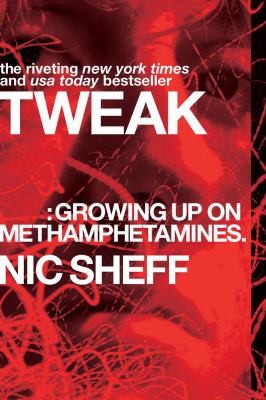
Tweak: Growing Up on Methamphetamines
04

Tweak: Growing Up on Methamphetamines

by Nic Sheff

"As long as you look for someone else to validate who you are by seeking their approval, you are setting yourself up for disaster. You have to be whole and complete in yourself."

Written as a companion to his father's memoir, Nic Sheff's account provides the addict's perspective on methamphetamine addiction. Raw and unflinching, this memoir documents his descent into addiction and the arduous path toward recovery with honesty about relapse and the struggle to stay clean.

This book is invaluable for understanding addiction from the inside—the thoughts, rationalizations, and profound despair of someone trapped in active addiction. Nic's willingness to examine his own psychology and self-deception offers readers unprecedented access to the addict's mind.

  • Addiction often involves profound identity confusion and reliance on others' approval to construct a sense of self
  • The progressive nature of addiction can mask itself; addicts develop elaborate justifications and rationalizations for continued use
  • Recovery requires confronting and accepting one's authentic self, including weaknesses and past shameful actions
  • Support systems matter, but ultimate recovery depends on individual commitment and willingness to transform
  • Writing style is repetitive and occasionally self-indulgent, with excessive focus on graphic details that may desensitize readers or detract from deeper insights
  • Unacknowledged privilege in the narrative—despite claims of having little money, Nic always seemed surrounded by wealthy mentors and access to expensive treatment
  • Some critics argue the level of detail about drug use and criminal activity romanticizes addiction rather than conveying its genuine destructiveness

"Nic's honesty is breathtaking. Tweak offers a glimpse into the mind of an addict that few memoirs achieve with such raw authenticity."

Oprah Winfrey, Media Executive and Philanthropist

"An absolutely gripping memoir that will appeal to teens and adults seeking to understand addiction from the perspective of someone living it."

School Library Journal, Professional Library Publication
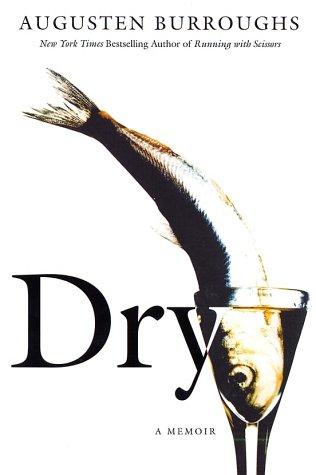
Dry: A Memoir
05

Dry: A Memoir

by Augusten Burroughs

"My identity shifted when I stopped drinking. That's why I couldn't stop. Drinking wasn't just something I did; it was who I was."

Augusten Burroughs' unflinching account of his alcoholism and recovery chronicles his intervention, time in rehab, and the complex journey toward sustained sobriety. With dark humor and brutal honesty, Burroughs explores identity, shame, and the transformative power of facing one's addiction.

Dry stands as a masterwork of recovery memoir literature, blending profound psychological insight with compelling storytelling. Burroughs' exploration of how addiction becomes intertwined with identity makes this essential reading for understanding the psychological dimensions of recovery.

  • Addiction becomes deeply enmeshed with personal identity; recovery requires reconstructing who one fundamentally is
  • Shame and secrecy enable addiction; confrontation and community support are essential to recovery
  • Humor and honesty, even about one's worst behaviors, facilitate healing and connection with others
  • Recovery is not linear; sustained sobriety requires ongoing self-awareness and willingness to change
  • The book blends fact and creative recreation; some scenes and characters are composites or imaginatively reconstructed, raising questions about narrative reliability
  • Some critics felt the dark humor, while compelling, occasionally made light of serious addiction consequences
  • The narrative focuses heavily on the author's perspective; limited exploration of how his addiction impacted others or their experiences

"Even more compelling than Burroughs' first outing. Dry is a wickedly good piece of writing that captures the darkness of addiction with unflinching honesty."

Lev Grossman, Time Magazine Critic

"I haven't read anything this sharp, hip, or honest in my life. Count me as a lifelong fan of this courageous writer."

Elle Magazine, Fashion and Culture Magazine
Scar Tissue
06

Scar Tissue

by Anthony Kiedis with Larry Sloman

"When you have a disease, you can't take half the process of getting well and think you're going to get half well. You do half the process of getting well, you're not going to get well at all."

The Red Hot Chili Peppers frontman's autobiography chronicles his experiences with cocaine and heroin addiction, the band's struggles with substance abuse, and his journey toward long-term recovery. Kiedis documents the intersection of fame, addiction, and the possibility of transformation.

This memoir is essential for understanding addiction in the context of high-stakes creative careers and how achieving success doesn't protect against addiction. Kiedis's sustained recovery and continued creative output offer hope while honestly depicting the disease's severity.

  • Addiction thrives in environments of excess and fame; success and recognition do not inoculate against addiction
  • Full commitment to recovery—not partial measures—is necessary; half-measures result in relapse and continued suffering
  • Spiritual recovery involves tangible actions like service and connection, not abstract religious concepts
  • Recovery requires separating identity from addiction; learning who you are beyond substance use
  • Extensive attention to sexual encounters and drug use may be gratuitous rather than necessary to the recovery narrative
  • Some critics argue the book doesn't fully explore enabling behaviors within the band and industry that may have perpetuated addiction
  • The narrative emphasizes individual willpower and spiritual solutions; limited discussion of clinical or pharmacological interventions in recovery

"Kiedis delivers a searingly honest account of life in the rock scene's fast lane. Scar Tissue is a triumph of memoir writing that captures addiction's devastation."

Rolling Stone Magazine, Music and Culture Publication

"A candid, often harrowing account that reveals the band's gritty history and Kiedis's redemptive journey from addict to sustained recovery."

Publishers Weekly, Publishing Industry Publication
Girl, Interrupted
07

Girl, Interrupted

by Susanna Kaysen

"I know what it's like to want to die. How it hurts to smile. How you try to fit in but you can't. You hurt yourself on the outside to try to kill the thing on the inside."

An eighteen-year-old's account of her psychiatric hospitalization in the 1960s following a suicide attempt, exploring borderline personality disorder, mental illness, and the blurred line between sickness and self-discovery. Kaysen's essay-like reflections question the nature of psychiatric treatment and female adolescence.

Though not exclusively about substance addiction, this memoir is foundational to understanding dual diagnosis and the intersection of mental health conditions with addiction. Kaysen's piercing observations about psychiatric treatment, identity, and what constitutes 'craziness' remain profoundly relevant to addiction and recovery.

  • Mental illness and emotional pain exist on a continuum; the line between normal and pathological is often culturally constructed
  • Psychiatric treatment can be both helpful and harmful; institutions may reinforce the conditions they seek to treat
  • Self-harm and risky behavior often represent attempts to externalize internal pain or regain a sense of control
  • Recovery and growth don't always require institutional intervention; maturation and time play important roles alongside treatment
  • Critics charge the memoir with 'myopia and exhibitionism'—the narrative is self-absorbed and may romanticize mental illness and self-harm for vulnerable readers
  • Some argue Kaysen's criticism of psychiatric treatment seems ungrateful given her serious condition; the book's central question of whether treatment actually helped remains unresolved
  • Limited engagement with systemic factors; the book doesn't acknowledge her class privilege and access to resources that shaped her treatment experience

"Kaysen writes with extraordinary insight about the experience of adolescence, mental illness, and the fraught relationship between individual and institution."

The New York Times Book Review, Major Literary Publication

"Girl, Interrupted is a fascinating and disturbing account that forces readers to question assumptions about sanity, treatment, and the nature of illness."

Joyce Carol Oates, Renowned Author
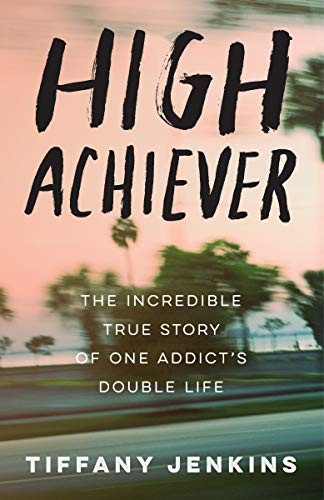
High Achiever: The Incredible True Story of One Addict's Double Life
08

High Achiever: The Incredible True Story of One Addict's Double Life

by Tiffany Jenkins

"Everyone sees the success, the Instagram-perfect life, but nobody sees the mirror at 3 AM when you're sobbing because you've lost control of everything."

A memoir of opioid addiction that contrasts the author's public success—as a high school cheerleading captain and model student—with her hidden life of addiction. Jenkins documents her arrest for twenty felonies, incarceration, and recovery with unflinching candor about shame, desperation, and redemption.

This contemporary opioid crisis memoir captures how addiction affects high-functioning individuals and shatters assumptions about what addicts look like. Jenkins's dual narrative of achievement and addiction reveals the hidden struggles of those who maintain external success while being consumed by substance abuse.

  • Addiction affects people across all socioeconomic and achievement levels; high-functioning people can be secretly devastated by substance abuse
  • The opioid crisis has created a new generation of addicts often starting with legitimate pain medication rather than street drugs
  • Shame and the effort to maintain a public image can intensify addiction by preventing people from seeking help
  • Recovery is possible even after serious legal consequences and profound moral injury; redemption and rebuilt lives are attainable
  • Some critics note the book may inadvertently reinforce narratives of redemption through punishment; the legal system's role isn't critically examined
  • Limited discussion of systemic issues in opioid prescribing and pharmaceutical company marketing that fueled the crisis
  • The memoir's focus on individual agency and recovery may not fully address the structural barriers facing people attempting to rebuild after incarceration

"High Achiever provides essential perspective on the modern opioid crisis and demonstrates that recovery is possible even after devastating consequences."

American Addiction Centers, Leading Addiction Treatment Organization

"A compelling and urgent memoir that puts a human face on the opioid epidemic and offers hope through an honest account of recovery."

Kirkus Reviews, Book Review Publication
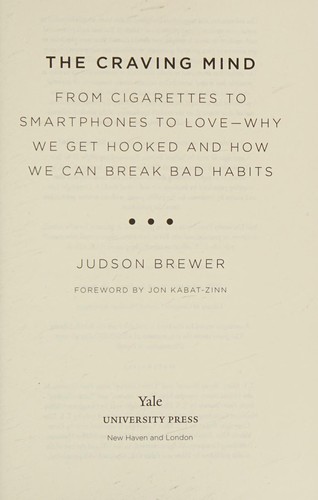
The Craving Mind: From Cigarettes to Smartphones to Love—Why We Get Hooked and How We Can Break Bad Habits
09

The Craving Mind: From Cigarettes to Smartphones to Love—Why We Get Hooked and How We Can Break Bad Habits

by Judson Brewer, MD, PhD

"Mindfulness helps us recognize the three-step loop of cue, routine, and reward—and gives us the power to interrupt it."

A psychiatrist and neuroscientist synthesizes cutting-edge brain science with practical mindfulness techniques to explain how cravings work and how to interrupt them. Brewer demonstrates that understanding the brain's reward-based learning system enables people to escape the habit loop.

This book is essential for those seeking scientific understanding of addiction's neurological basis. Brewer's integration of neuroscience, mindfulness, and real patient narratives offers evidence-based approaches to breaking addictive patterns applicable across substance and behavioral addictions.

  • Addiction operates through a learning loop: cues trigger cravings, which drive behavior, which produces rewards that reinforce the cycle
  • Understanding how the brain encodes addiction—through dopamine and reward pathways—demystifies why willpower alone often fails
  • Mindfulness and specific awareness practices can interrupt cravings by shifting one's relationship to thoughts and sensations
  • The brain's neuroplasticity means that recovery rewires neural pathways; new habits can replace old addictive ones
  • While evidence-based, mindfulness interventions may require significant cognitive capacity and consistency that people in active addiction struggle to maintain
  • The book's focus on cognitive and behavioral interventions may underestimate the role of severe neurochemical dysregulation in some addictions
  • Limited discussion of medication-assisted treatment and pharmacological approaches that many clinicians view as essential complements to behavioral interventions

"Judson Brewer offers a masterful, personal, friendly, compelling, humorous, and erudite book—a direct pathway to freeing minds from addiction's domination."

Jon Kabat-Zinn, PhD, Mindfulness Pioneer and Author

"The Craving Mind brilliantly combines the latest science with universal real-life experiences. It's essential reading for anyone struggling with habit or craving."

Arianna Huffington, Entrepreneur and Author
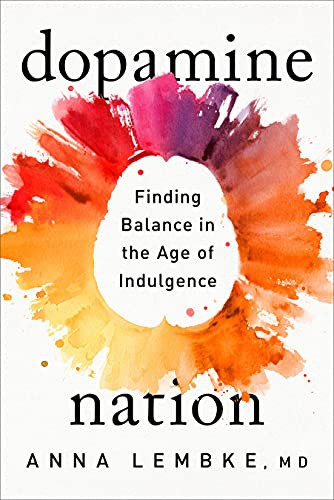
Dopamine Nation: Finding Balance in the Age of Indulgence
10

Dopamine Nation: Finding Balance in the Age of Indulgence

by Anna Lembke, MD

"The pursuit of pleasure in the setting of unlimited access to high-dopamine stimuli has become a form of addiction for many of us."

A Stanford addiction psychiatrist explores how the brain's dopamine system drives both substance addictions and behavioral addictions in our modern age of unlimited stimulation. Lembke reveals why constant pleasure-seeking leads to pain and offers practical strategies for recalibrating dopamine sensitivity.

Essential for understanding how modern technology, food systems, and consumer culture activate the same reward pathways as drugs. Lembke's framework explains why addiction is increasing across populations and offers hope through understanding that the brain can recalibrate with proper intervention.

  • Dopamine regulation—not dopamine itself—is key to wellbeing; the brain requires baseline dopamine to feel satisfied
  • Modern technology, ultra-processed foods, and consumer products are engineered to maximally stimulate dopamine; addiction is not individual failure but predictable neurobiology
  • Pleasure tolerance develops rapidly; escalating doses of stimulation are needed to achieve the same dopaminergic response, driving addiction
  • Recovery involves 'dopamine fasting'—strategic abstinence from stimulating substances and behaviors to reset the brain's baseline dopamine sensitivity
  • The dopamine reset/fasting concept, while intuitive, has limited long-term clinical trial data demonstrating sustained efficacy
  • Critics argue the book may oversimplify complex neurobiology; dopamine is one among many neurotransmitters involved in addiction
  • Some worry the 'dopamine nation' framework may pathologize normal pleasure-seeking and cultural consumption habits

"Dr. Lembke explores the dichotomy between seeking readily accessible hits of dopamine and maintaining healthy, stable lives with remarkable clarity and science."

The New York Times, Major Newspaper

"Dopamine Nation brilliantly explains why we're all struggling with compulsive behaviors in the age of infinite stimulation. A must-read for anyone seeking balance."

Adam Grant, Organizational Psychologist and Author
Back to all lists