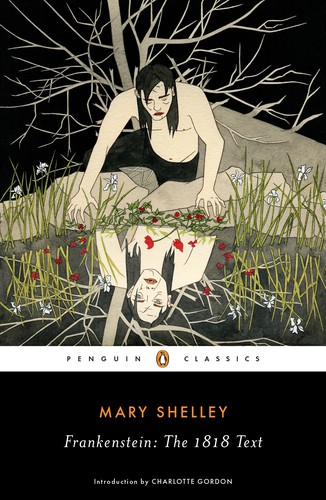
Frankenstein
"Learn from me, if not by my precepts, at least by my example, how dangerous is the acquirement of knowledge and how much happier that man is who believes his native town to be the world, than he who aspires to become greater than his nature will allow."
Victor Frankenstein's obsessive quest to create life leads to catastrophic consequences as his creation, rejected by society, seeks revenge. This 1818 Gothic novel explores themes of ambition, responsibility, isolation, and the moral implications of unchecked scientific progress. Widely regarded as the first science fiction novel and a foundational work of horror literature.
Frankenstein essentially invented the modern horror genre by combining philosophical inquiry with existential dread. Shelley's masterwork interrogates the ethics of scientific ambition and the creator's responsibility to their creation, themes that remain urgently relevant. The novel's psychological depth and exploration of monstrosity revolutionized how horror engages with human nature.
- Unchecked scientific ambition and the pursuit of knowledge without ethical consideration leads to tragedy
- Monstrosity is not inherent but created through rejection, abandonment, and social exclusion
- Isolation intensifies both virtue and vice; solitude transforms the ambitious into the destructive
- The creator bears moral responsibility for their creations and cannot escape consequences of their actions
- The framing narrative and multiple epistolary layers can feel distancing to modern readers unfamiliar with 18th-century conventions
- Some find the creature's eloquence and philosophical sophistication psychologically inconsistent with his brief education and isolation
"Mary Shelley created the template for the modern horror novel"
Stephen King, Master of Horror"Frankenstein is the blueprint for all creature features and remains genuinely unsettling"
Neil Gaiman, Contemporary Horror/Fantasy Author