Essential Design Foundations

Master the principles and philosophies that define great design

This curated collection represents the cornerstone texts that every designer should study. From Don Norman's revolutionary insights on everyday objects to the timeless principles of universal design, these books establish the theoretical and practical foundations for creating meaningful design solutions that genuinely serve human needs.

01

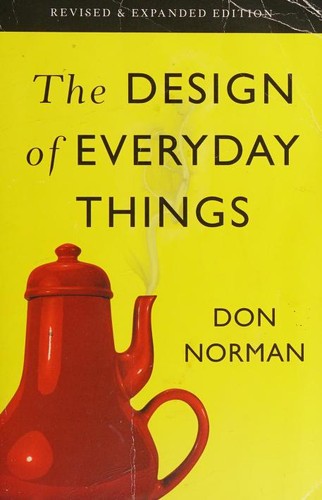
The Design of Everyday Things

by Don Norman

View on Amazon →

"Good design is actually a lot harder to notice than poor design, in part because good designs fit our needs so well that the design is invisible, serving us without drawing attention to itself."

A groundbreaking exploration of how design shapes our interaction with objects and systems. Norman reveals why some designs work seamlessly while others frustrate us, using everyday examples from doors to computers to illustrate fundamental design principles that enhance usability and user experience.

Essential reading that shifted design thinking from aesthetics to functionality. Establishes the psychological principles underlying all good design and demonstrates how understanding users is paramount. This book remains the foundational text for modern design practice.

  • Design must prioritize user psychology and human behavior
  • Discoverability and understanding are critical design characteristics
  • Good design is invisible—it works without demanding attention
  • Affordances and signifiers guide user interaction
  • Published in 1988, some examples feel dated despite revisions
  • Focuses heavily on physical objects with less digital design emphasis
  • Dense academic approach may challenge design newcomers

"Don has made invaluable contributions to how we think about design."

Steve Jobs, Apple Founder

"Essential reading for anyone who cares about design and its impact on human experience."

Tim Brown, IDEO CEO
02

Universal Principles of Design

by William Lidwell, Kritina Holden, Jill Butler

View on Amazon →

"Design is a problem-solving discipline. When you understand the universal principles that guide human perception and behavior, you can design more effective solutions."

A comprehensive visual reference documenting 200 design principles with examples across disciplines. This updated third edition presents principles of usability, perception, and aesthetic design in accessible, illustrated format, making complex design concepts immediately applicable to real projects.

Provides a structured, reference-based approach to design principles applicable across all disciplines. The visual format and breadth of coverage make it invaluable for students and professionals seeking quick access to proven design strategies and their applications.

  • 200 essential design principles organized by category
  • Visual examples show practical application across disciplines
  • Covers psychology, aesthetics, usability, and interaction design
  • Serves as a lasting reference for design decision-making
  • Reference format lacks deep narrative exploration
  • Limited context for why principles matter philosophically
  • Examples sometimes feel disconnected from real projects

"A remarkable resource that connects design thinking with universal human principles."

Ellen Lupton, Design Writer and Educator
03

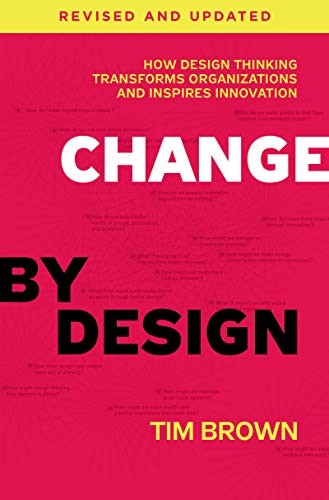
Change by Design

by Tim Brown

View on Amazon →

"Design thinking is fundamentally an optimistic, generative, and abductive methodology. It's a way of building a better future and creating value for all of those who experience our solutions."

An exploration of design thinking as a methodology for solving complex problems in organizations and society. Brown shares real-world case studies and practical frameworks showing how design-centered approaches drive innovation and create meaningful change across business, healthcare, education, and social sectors.

Demonstrates how design thinking transcends aesthetics to become a problem-solving philosophy. Essential for understanding design's strategic role in organizations and how human-centered approaches can drive meaningful innovation and business value.

  • Design thinking applies beyond products to organizational strategy
  • Human-centered approaches solve complex, multifaceted problems
  • Prototyping and iteration accelerate innovation
  • Diverse team perspectives strengthen design solutions
  • Corporate focus may overshadow grassroots design applications
  • Some examples feel privileged to large organizations
  • Abstract framework requires significant interpretation

"Tim Brown has written the definitive book on how design thinking creates value."

Bill Moggridge, Founder of IDEO
04

Thinking with Type

by Ellen Lupton

View on Amazon →

"Typography is the art of arranging type to make written language legible, readable, and visually appealing. It's a discipline that combines ancient craft with contemporary technology."

A practical guide exploring typography as a critical design tool for communication. The third edition incorporates contemporary digital typography, accessibility considerations, and variable fonts while maintaining focus on fundamental principles. Lupton bridges theory and practice with clear visual demonstrations and hands-on exercises.

Typography is foundational to all visual design. This book transforms typography from a technical skill into a strategic communication tool. Essential for understanding how letterforms, spacing, and text hierarchy shape message and meaning in both print and digital media.

  • Typography shapes how audiences read and interpret messages
  • Text hierarchy guides visual and cognitive navigation
  • Digital typography requires different considerations than print
  • Spacing, scale, and style are fundamental typographic tools
  • Dense visual information may overwhelm beginners
  • Focus on theory sometimes outweighs practical application examples
  • Limited coverage of non-Latin writing systems

"Ellen Lupton's work continues to influence how designers think about type and communication."

David Carson, Legendary Typographer
05

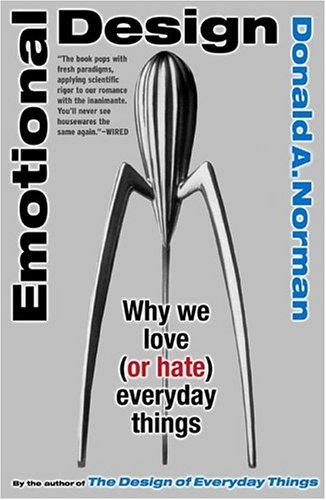
Emotional Design

by Don Norman

View on Amazon →

"Attractive things work better. That's it. The research is clear: when something is beautiful, the pleasure we take in viewing it, using it, even just thinking about it, actually makes us perform better."

An exploration of the emotional dimension of design, examining why people become attached to objects and experiences. Norman explores three levels of design processing—visceral, behavioral, and reflective—demonstrating how successful design engages all three, creating products that are not just functional but emotionally resonant.

Complements behavioral design principles with emotional intelligence. Understanding that design appeals to both function and feeling is crucial for creating products people love, not just use. Essential for moving beyond usability into genuine user delight.

  • Design operates on visceral, behavioral, and reflective levels
  • Emotional connection increases user satisfaction and loyalty
  • Beauty and function are interconnected, not competing priorities
  • Storytelling and meaning strengthen emotional bonds with objects
  • Somewhat repetitive of earlier Norman works
  • Examples skew toward consumer products over industrial design
  • Limited exploration of negative emotions and design failures

"This book helped me understand that the best designs appeal to the heart as much as the head."

Don Norman, Author & Design Theorist
06

Grid Systems in Graphic Design

by Josef Müller-Brockmann

View on Amazon →

"The grid system is a valuable aid, but only an aid. It permits a number of possible uses and each designer can look for a solution appropriate to his particular problem."

A seminal work on modular design systems and grid-based composition. Müller-Brockmann demonstrates how grids provide order, rhythm, and visual hierarchy to complex information. This bilingual German-English edition includes extensive examples from poster design, publications, and corporate identity systems.

Grids are the invisible architecture of all organized visual communication. This foundational text explains how systematic approaches to composition strengthen design coherence and communicate with clarity. Essential for understanding Swiss Style and modernist design principles.

  • Grid systems provide structure without constraining creativity
  • Modular approaches scale across projects and media
  • Proportional systems create visual harmony and rhythm
  • Grids solve organizational challenges in complex information
  • Mid-20th century examples feel historically specific
  • Technical nature may overwhelm conceptual learners
  • Limited discussion of how grids apply to digital design

"Müller-Brockmann's principles remain the foundation of professional design practice."

Erik Spiekermann, Designer & Typographer
07

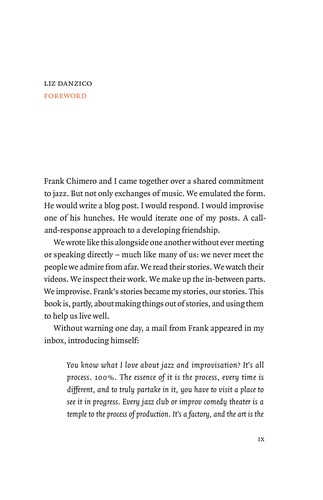
The Shape of Design

by Frank Chimero

View on Amazon →

"All design is collaborative, because design is about making something for someone. The shape of design is determined by human relationships."

A philosophical meditation on design process and practice, written as a collection of interconnected essays. Chimero explores the relationship between intentionality and intuition, systems and emergence, exploring how designers make decisions and create meaningful work that serves others.

Bridges the gap between design theory and human experience. Provides perspective on why design matters beyond commercial applications, emphasizing that design is fundamentally about creating for other people with empathy and intention.

  • Design is fundamentally about creating for others
  • Intuition and systems thinking both inform design decisions
  • Constraint and emergence drive creative solutions
  • Design philosophy matters as much as design process
  • Abstract and contemplative rather than instructional
  • Limited practical design methodologies or techniques
  • Philosophical approach may frustrate practitioners seeking concrete methods

"Frank's writing reminds designers why they do this work and for whom."

Mike Monteiro, Designer & Design Advocate
08

Designing Design

by Kenya Hara

View on Amazon →

"Design is not just what it looks like and feels like. Design is how it works. And you have to think about emptiness as powerfully as substance."

An exploration of design philosophy grounded in Japanese aesthetic traditions, particularly the concept of 'emptiness' and simplicity. Hara, creative director of Nippon Design Center, shares personal projects including the 1998 Nagano Olympics opening ceremony design, illustrating how restraint and intention create powerful visual communication.

Introduces non-Western design philosophy emphasizing subtlety, emptiness, and negative space. Essential for understanding design beyond Western modernism and appreciating how cultural values shape design approaches. Expands perspective on what constitutes good design.

  • Emptiness and simplicity are design strengths
  • Cultural context shapes design language and meaning
  • Minimalism in Japan differs from Western minimalism
  • Intention and restraint communicate more powerfully than excess
  • Heavy visual focus requires physical book to appreciate design examples
  • Abstract philosophy challenges practical application
  • Limited discussion of modern digital design contexts

"Kenya Hara's work demonstrates the power of simplicity and intentional absence."

Stefan Sagmeister, Designer & Design Educator
09

Design Is a Job

by Mike Monteiro

View on Amazon →

"Design is not a service. Design is not decoration. Design is how you can improve a human being's experience on this planet. Design is serious work."

A pragmatic guide to the business and ethics of design, addressing client relationships, pricing, contracts, and professional responsibilities. Monteiro challenges designers to think beyond execution to strategy, negotiation, and their role in creating responsible work that serves society.

Design exists in a business context, and understanding this reality is essential for sustainable practice. This book demystifies the commercial and ethical aspects of design work, preparing designers for real-world practice and responsible decision-making.

  • Design careers require business acumen alongside craft skills
  • Ethical responsibility extends beyond the client
  • Clear communication and negotiation prevent project failures
  • Designers must understand and articulate their value
  • Conversational tone may lack formality for some readers
  • Examples skew toward agency/freelance models
  • Limited discussion of corporate design structures

"Mike Monteiro has done more to elevate the profession of design than almost anyone else in this industry."

Jessica Hische, Designer & Illustrator
10

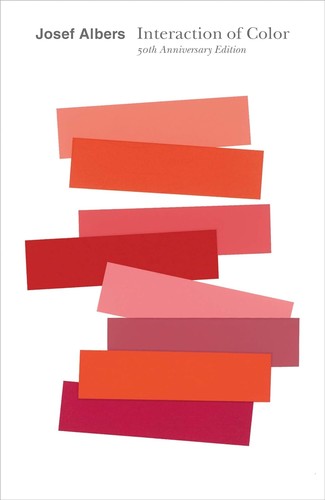
Interaction of Color

by Josef Albers

View on Amazon →

"Color is the most relative medium in art. In order to use color effectively, it is necessary to recognize that color deceives continually."

A masterwork on color theory that transcends academic instruction through visual experimentation. Based on Albers' teachings at Yale, this 50th anniversary edition presents color as a relational and perceptual phenomenon. Through systematic exercises and striking color studies, Albers demonstrates that color perception is context-dependent and endlessly complex.

Color is fundamental to visual design, yet often approached superficially. Albers provides the theoretical framework and visual evidence that color relationships determine perception and meaning. Essential for anyone working with visual composition and communication.

  • Color perception is context-dependent and relational
  • Color meaning emerges from surrounding colors
  • Systematic color study develops visual literacy
  • Color exercises train perception and intuition
  • Color theory applies across all visual disciplines
  • Requires active engagement with color exercises to benefit fully
  • Abstract theory without clear practical application guidelines
  • Limited coverage of digital color, accessibility, or cultural color symbolism

"Albers' work changed how I see color and how I think about perception."

David Hockney, Artist
Back to all lists