The Ultimate Longevity Library

Essential reading on extending healthspan and achieving meaningful lifespan extension through science-backed strategies

This curated collection presents the most authoritative and actionable longevity literature from leading researchers, physicians, and gerontologists. These works synthesize decades of aging research into practical frameworks for living longer with better health, examining everything from cellular biology to lifestyle interventions that demonstrably extend both lifespan and healthspan. Whether your goal is preventive medicine, lifestyle optimization, or understanding the biology of aging, these books provide evidence-based pathways to longevity.

01

Outlive: The Science and Art of Longevity

by Peter Attia, MD with Bill Gifford

View on Amazon →

"The odds are overwhelming that you will die as a result of one of the chronic diseases of aging that I call the Four Horsemen: heart disease, cancer, neurodegenerative disease, or type 2 diabetes and related metabolic dysfunction."

A comprehensive guide presenting Medicine 3.0, which shifts from treating disease to preventing it. Attia identifies the Four Horsemen of aging—heart disease, cancer, neurodegenerative disease, and type 2 diabetes—and provides actionable strategies to prevent or manage them. The book combines cutting-edge longevity science with practical protocols for fitness, nutrition, sleep, and emotional health.

Essential for understanding modern longevity medicine and the shift from reactive to preventive healthcare. Attia's framework for addressing the major causes of death provides a comprehensive roadmap for extending both lifespan and healthspan. This book became a bestseller due to its rare combination of scientific rigor and practical accessibility.

  • The Four Horsemen are responsible for most deaths and represent preventable or manageable conditions
  • Medicine 3.0 emphasizes prevention and optimization over treatment of established disease
  • Exercise, sleep quality, and stress management are foundational interventions for longevity
  • Individual variability in response to interventions requires personalized approaches to health
  • Some recommendations lack sufficient clinical trial evidence and represent personal optimization rather than proven medical interventions
  • The book's length and technical depth may overwhelm readers seeking simpler guidance
  • Emphasis on biohacking tools and expensive testing may reinforce healthcare inequity

"A data- and anecdote-rich invitation to live better, and perhaps a little longer, by making scientifically smart choices."

Eric Topol, Cardiologist and Medical Researcher

"Peter Attia's Outlive is one of the few books worth your time to read, offering groundbreaking insights into extending both lifespan and healthspan."

Bill Ackman, Billionaire Investor and Philanthropist
02

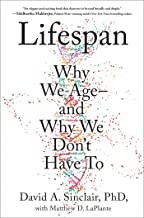
Lifespan: Why We Age—and Why We Don't Have To

by David A. Sinclair, PhD with Matthew D. LaPlante

View on Amazon →

"Aging is a disease, and that disease is treatable. The aging process is driven by the loss of information that occurs within the cell and can be reversed by resetting that biological information."

Harvard genetics professor David Sinclair presents compelling evidence that aging is a treatable disease. He explores the role of sirtuins and NAD in cellular aging, discussing interventions from calorie restriction to resveratrol. The book challenges conventional views of aging and presents a hopeful vision of a future where age-related decline becomes optional.

Foundational for understanding the molecular biology of aging and the sirtuin pathways that control cellular health. Sinclair's research has influenced longevity science globally, and this book makes complex genetics accessible to general audiences. Essential for anyone interested in the science behind anti-aging interventions.

  • Aging results from loss of cellular information that can theoretically be reset or recovered
  • Sirtuins, activated by stress responses like calorie restriction, regulate cellular defenses against aging
  • NAD+ levels decline with age and can be supplemented to enhance sirtuin function
  • Lifestyle interventions including exercise, fasting, and certain compounds can trigger longevity pathways
  • Some claims about human longevity benefits remain primarily demonstrated in animal models, not yet proven in humans
  • The promise of reversing aging may be overstated given current evidence
  • Recommended supplements and interventions vary in quality and clinical validation

"A fascinating exploration of the molecular mechanisms of aging that challenges our understanding of longevity."

Nature Magazine, Premier Scientific Journal
03

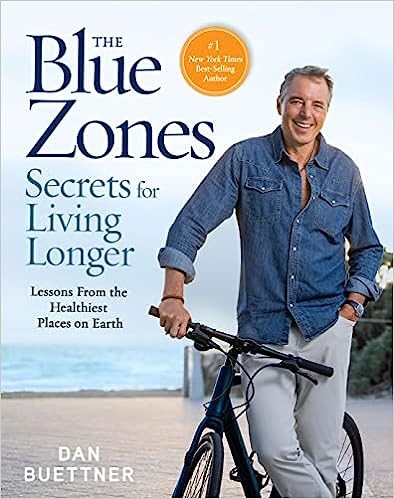
The Blue Zones: Lessons for Living Longer from the People Who've Lived the Longest

by Dan Buettner

View on Amazon →

"People in blue zones aren't consciously trying to live a long time; instead, their longevity is a product of their environment. You don't have to be a superhero to live longer, you just have to optimize your surroundings."

National Geographic Fellow Dan Buettner identifies five regions worldwide—Blue Zones—where people live dramatically longer lives with exceptional health and vitality. Through interviews with centenarians in Okinawa, Sardinia, Costa Rica, Greece, and California, Buettner extracts nine evidence-based lifestyle factors that all Blue Zones share. The book provides actionable insights on diet, movement, purpose, and community.

Unique because it's based on field research with actual centenarians rather than laboratory studies. The Blue Zones model has become influential in public health and urban planning. Offers practical cultural and lifestyle lessons that are easier to implement than pharmaceutical interventions, making longevity accessible.

  • The nine common factors across Blue Zones: natural movement, purpose, stress reduction, plant-based diet, moderate drinking, family commitment, social engagement, and optimism
  • Longevity is primarily shaped by environment and lifestyle, not genetics alone
  • Communities with strong social bonds and family cohesion show dramatically better health outcomes
  • Purpose (ikigai in Japan) and meaningful engagement with life add years to lifespan
  • Some Blue Zone populations have experienced diet changes in recent decades, making historical data less applicable today
  • The model's applicability to Western populations with different social structures requires cultural adaptation
  • Lacks detailed discussion of healthcare access as a confounding variable in some regions

"The Blue Zones research reveals that longevity is less about genetics and more about the lifestyle choices we make daily."

Deepak Chopra, Health and Wellness Expert
04

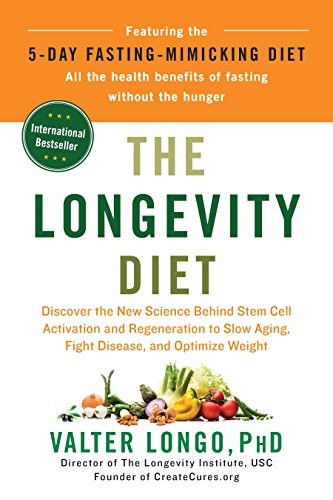
The Longevity Diet: Discover the New Science Behind Stem Cell Activation and Regeneration

by Valter Longo, PhD

View on Amazon →

"There is nothing that even comes close to the benefit that we will have for almost nothing, free or close to free, by changing food habits. That is the most powerful medicine we have available."

Director of the Longevity Institute at USC, Valter Longo presents the science behind periodic fasting and the Fasting Mimicking Diet (FMD). Based on 25 years of research, the book explains how cycles of fasting activate stem cells, reduce disease risk, and slow aging. Longo provides practical protocols for implementing dietary interventions while avoiding the hardship of traditional fasting.

Bridges cutting-edge cellular research with practical protocols anyone can implement. The Fasting Mimicking Diet approach is unique in providing fasting benefits without complete caloric deprivation. Longo's institutional credibility and extensive research make this essential for understanding periodic fasting's role in longevity.

  • Periodic fasting activates cellular autophagy and stem cell regeneration, reducing disease risk
  • The Fasting Mimicking Diet provides benefits of fasting without complete caloric restriction
  • Plant-based diets supplemented with fish, combined with periodic fasting, show optimal longevity benefits
  • Fasting effectiveness depends on timing, duration, and individual health status
  • The FMD requires specific nutrient combinations that may be difficult to replicate without commercial products
  • Long-term compliance with fasting protocols is challenging for most people
  • Some results are from animal studies; human data, while promising, is still accumulating

"Longo's research represents the frontier of understanding how nutrition influences the biology of aging."

Harvard Medical School, Academic Medical Institution
05

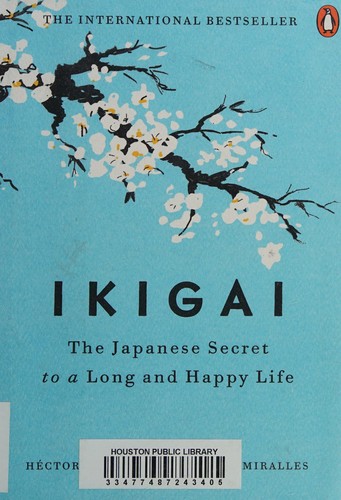
Ikigai: The Japanese Secret to a Long and Happy Life

by Héctor García and Francesc Miralles

View on Amazon →

"The Japanese village of Ogimi, in Okinawa, is home to some of the longest-lived people in the world. Their secret isn't found in a pill or a restrictive diet—it's found in ikigai, the reason you wake up in the morning."

Exploring the concept of ikigai—a reason for living—García and Miralles traveled to Okinawa, Japan's Blue Zone with the highest centenarian population. The book reveals the philosophical and practical dimensions of how purpose drives longevity, combining psychology, physiology, and cultural wisdom. It includes insights on movement, diet, social connection, and the power of finding meaning.

Introduces the critical concept of purpose (ikigai) as a measurable longevity factor, showing that meaning extends lifespan by up to eight years. Integrates Eastern philosophy with Western science. Provides the cultural and psychological context missing from purely biological longevity books, addressing why people want to live longer.

  • Ikigai—the intersection of what you love, what you're good at, what the world needs, and what pays you—is a powerful predictor of longevity
  • Purpose and meaning directly influence lifespan, adding years through both psychological and physiological mechanisms
  • Daily practices like gentle movement, plant-based eating, and strong community bonds support longevity
  • The Okinawan dialect has no word for retirement, reflecting continuous engagement and purpose throughout life
  • The ikigai framework, while compelling, lacks rigorous quantification in the book
  • Some spiritual and philosophical claims about purpose aren't supported by clinical evidence
  • The applicability to Western individualistic cultures is assumed rather than demonstrated

"A beautifully written exploration of how Japanese wisdom traditions can teach us to live longer, happier lives."

Tim Ferriss, Author and Entrepreneur
06

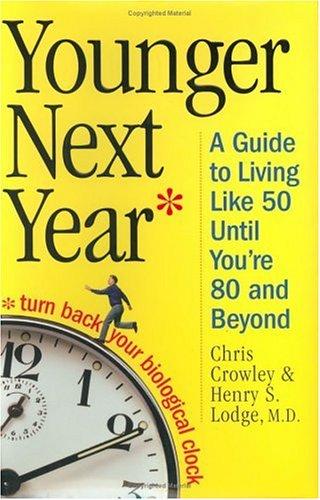
Younger Next Year: Live Strong, Fit, and Sexy Until You're 80 and Beyond

by Chris Crowley and Henry S. Lodge, MD

View on Amazon →

"You are going to age. You are not, however, going to decline. That is a biological fact, not an opinion. If you follow the Rules, you will be able to hold off the decline that so many people accept as an inevitable part of aging."

A practical guide combining a physician's medical expertise with a layperson's perspective on aging. Crowley and Lodge present a biology-backed plan showing that much age-related decline is optional, driven primarily by lifestyle factors. The book emphasizes exercise, nutrition, and the biological imperatives of staying physically active throughout life.

Uniquely combines medical authority with an accessible, motivational tone. The biological evidence that aging is optional—not inevitable—is empowering and scientifically grounded. Essential for those seeking practical, straightforward guidance on preventing age-related decline through evidence-based lifestyle changes.

  • Biological decline is optional and largely driven by lifestyle choices, not age itself
  • Regular exercise, particularly aerobic fitness and strength training, is the most powerful anti-aging intervention
  • Proper nutrition, sleep, and cognitive engagement are critical complements to physical fitness
  • Social connection and purpose directly influence both healthspan and lifespan
  • The emphasis on fitness may be discouraging for those with mobility limitations or chronic conditions
  • Some readers find the motivational tone less rigorous than evidence-based medical literature
  • Limited discussion of how to modify recommendations for specific health conditions

"A practical and inspiring guide that shows aging doesn't have to mean decline. Essential reading for anyone wanting to maintain vitality."

Mehmet Oz, MD, Cardiologist and Health Advocate
07

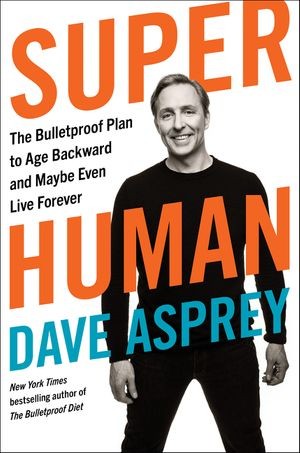
Super Human: The Bulletproof Plan to Age Backward and Maybe Even Live Forever

by Dave Asprey

View on Amazon →

"You have more control over your own biology than anyone ever told you. You don't need anyone's permission. You don't need a note from a doctor. You can upgrade yourself."

Known as the Father of Biohacking, Dave Asprey presents a comprehensive protocol for reversing aging through targeted interventions across seven pillars: sleep, energy, brain, body, digestion, emotions, and environment. The book covers cutting-edge approaches from mitochondrial optimization to light exposure management, providing both scientific rationale and practical implementation guides.

Represents the biohacking frontier of longevity, combining emerging science with practical tools for self-optimization. For those interested in pushing beyond conventional recommendations, this book provides detailed protocols for optimizing multiple biological systems simultaneously. Bridges gaps between academic research and real-world implementation.

  • Seven pillars of aging—sleep, energy, brain, body, digestion, emotions, and environment—are addressable through targeted interventions
  • Mitochondrial health is foundational to aging and can be optimized through specific dietary and environmental strategies
  • Light exposure, timing of meals, and stress management create synergistic effects on aging rates
  • Quantified self-tracking enables data-driven optimization of biological aging markers
  • Many cutting-edge interventions recommended lack extensive clinical trial validation in humans
  • Some biohacking tools and supplements are expensive, raising accessibility concerns
  • The focus on optimization may not suit people with resource constraints or simpler health goals

"Dave Asprey's biohacking approach to longevity combines the latest science with actionable strategies for becoming Super Human."

Arianna Huffington, Wellness and Media Entrepreneur
08

The Telomere Effect: A Revolutionary Approach to Living Younger, Healthier, Longer

by Elizabeth Blackburn, PhD and Elissa Epel, PhD

View on Amazon →

"Your telomeres are listening to you. They absorb the instructions you give them. The way you live can, in effect, tell your telomeres to speed up the process of cellular aging. But it can also do the opposite."

Nobel Prize winner Elizabeth Blackburn and health psychologist Elissa Epel explore telomeres—protective caps on DNA that shorten with age. The book reveals how stress, sleep, diet, and exercise directly affect telomere length and how psychological well-being influences cellular aging. It integrates cutting-edge cellular biology with mind-body medicine.

Provides the cellular mechanism explaining how lifestyle influences aging at the DNA level. Blackburn's Nobel Prize credibility lends authority, while the book makes complex cellular biology accessible. Critically bridges psychological stress and physical aging, offering holistic approaches to telomere protection.

  • Telomere length is a measurable marker of cellular age and biological aging rate
  • Chronic stress accelerates telomere shortening, equivalent to one decade of additional aging per decade of high stress
  • Meditation, exercise, quality sleep, and strong social relationships protect telomere length
  • The mind directly influences cellular aging through stress hormone pathways and inflammatory markers
  • Telomere length, while important, is one of many aging biomarkers and shouldn't be considered the sole measure of biological age
  • Some mind-body interventions showed modest effects in studies but are presented as major protective factors
  • The causal relationship between telomere shortening and age-related disease is still being clarified

"A groundbreaking exploration of how our minds directly shape our bodies' aging process at the cellular level."

Daniel Siegel, MD, Neurobiologist and Psychiatrist
09

Ageless: The New Science of Getting Older Without Getting Old

by Andrew Steele

View on Amazon →

"The rate of aging as a human being is effectively the change in your risk of death over time. And right now, that rate of change is positive—your risk of death increases as you age. But it doesn't have to be that way."

Gerontologist Andrew Steele presents an optimistic, science-based exploration of why aging happens and how we can slow it. The book addresses nine hallmarks of aging with explanations of emerging interventions from senolytics to metabolic health optimization. Steele's conversational style makes complex gerontology accessible while maintaining scientific rigor.

Authoritative yet accessible overview of modern gerontological science. Steele's exploration of why aging happens—from DNA damage to mitochondrial dysfunction—provides essential context for understanding longevity interventions. The discussion of biological immortality in nature species reframes aging as optional rather than inevitable.

  • Aging results from accumulation of damage across multiple biological systems—nine key hallmarks including DNA damage, mitochondrial dysfunction, and cellular senescence
  • Some organisms age negligibly, proving biological immortality is possible and suggests aging is addressable
  • Emerging therapies targeting hallmarks of aging show promise for dramatically extending healthspan
  • Prevention and early intervention in age-related processes is more effective than treating established disease
  • Some emerging interventions discussed are years from clinical availability
  • The book doesn't adequately address socioeconomic barriers to implementing longevity strategies
  • The optimistic tone about future treatments might delay adoption of proven preventive measures

"Steele makes the complex science of aging understandable and inspiring, showing that a world without aging is within reach."

James Nestor, Science Journalist and Author
10

Being Mortal: Medicine and What Matters in the End

by Atul Gawande, MD

View on Amazon →

"We have been wrong about what our job is in medicine. We think our job is to ensure health and survival. But really it is to enable well-being. And well-being is about the reasons one wishes to be alive."

A profound reflection on aging, mortality, and meaningful living from renowned surgeon Atul Gawande. While not focused on lifespan extension, the book deeply explores how to optimize the quality of life during aging. Gawande examines end-of-life care, the limitations of modern medicine, and what actually matters when faced with mortality.

Essential counterbalance to longevity literature—addressing not just how long to live, but how to live well and die well. Gawande's clinical wisdom about realistic expectations, quality of life, and meaningful care provides context that pure longevity-maximization books often lack. Crucial for anyone supporting aging parents or facing health crises.

  • Modern medicine often extends life at the expense of quality of life and personal autonomy
  • End-of-life planning focused on patient values rather than aggressive intervention leads to better outcomes
  • Accepting mortality while pursuing meaningful engagement is essential to well-being in aging
  • Healthcare providers and families should facilitate conversations about what matters most as people age
  • Some readers find the focus on death and limitations depressing rather than empowering
  • The book is less practical regarding actionable health interventions than other longevity texts
  • Gawande's perspectives are shaped by his experience in American healthcare, limiting global applicability

"A profound and moving meditation on aging, mortality, and what truly matters in life."

The New York Times, Major Publication

"One of the best books I've ever read. It changed how I think about medicine and what we owe to the elderly."

Bill Gates, Philanthropist and Global Health Advocate
Back to all lists