10 Best Management Books

Essential Reads for Building Exceptional Teams and Organizations

Management is both an art and a science. These ten foundational works provide practical frameworks, proven methodologies, and timeless wisdom for leaders at every level. From managing individual contributors to scaling organizations, these books offer essential insights for developing people, building culture, and executing strategy.

01

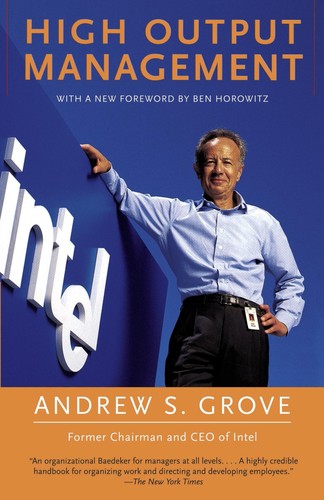
High Output Management

by Andy Grove

View on Amazon →

"A manager's output = the output of his organization + the output of the neighboring organizations under his influence."

Andy Grove's seminal work on management fundamentals provides practical wisdom on productivity, organizational management, and leadership from the former CEO of Intel. The book introduces the concept that a manager's output equals the output of their organization plus the output of neighboring organizations under their influence. Grove combines theory with real-world examples to create a comprehensive guide for all managers.

This is the foundational text for modern management thinking, widely credited as the bible of management by tech leaders and executives. Grove's frameworks for one-on-ones, performance management, and organizational structure remain directly applicable decades after publication. Every manager benefits from understanding output leverage and the three core management responsibilities.

  • Manager productivity comes from leveraging the output of their team and organization
  • One-on-one meetings are critical management tools that must be well-structured and consistent
  • Effective delegation requires clear understanding of employee capability and motivation
  • Management by Objectives (MBO) provides clarity and alignment across organizations
  • Some concepts are dated and reflect Intel's specific manufacturing-heavy environment
  • The book assumes a hierarchical, traditional organizational structure
  • Limited discussion of modern remote work and distributed team management challenges

"A foundational book that every manager should read."

Sundar Pichai, CEO of Google and Alphabet

"The gold standard of management books."

Bill Gates, Co-founder of Microsoft

"Andy Grove's thinking shaped how I approach management and scaling organizations."

Marc Benioff, Founder and CEO of Salesforce
02

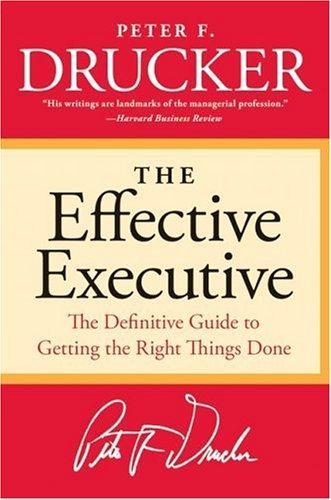
The Effective Executive

by Peter Drucker

View on Amazon →

"The effective executive focuses on contribution. He asks: 'What can I contribute that will significantly affect the performance of the whole?'"

Peter Drucker's classic examines what makes executives effective, arguing that effectiveness is a habit and a discipline that can be learned. The book defines five core practices of effective executives: managing time, focusing on contribution, making strength productive, prioritizing first things first, and making effective decisions. Drucker's insights remain relevant across industries and organizational types.

This is perhaps the most influential management book ever written, with insights that have shaped executive thinking for decades. Drucker's emphasis on contribution and results over activity provides a powerful counterweight to busy-work culture. Understanding his five practices is essential for any aspiring or current executive seeking greater impact and efficiency.

  • Effectiveness is a discipline that can be learned through five core practices
  • Time is the executive's scarcest resource and must be managed ruthlessly
  • Great executives focus on opportunities rather than problems
  • Contribution matters more than rank; focus your efforts on what you can uniquely provide
  • The book's focus on individual executive effectiveness may undervalue team collaboration
  • Written before the digital age, lacking guidance on managing information overload
  • Some examples are drawn from mid-20th century organizations that no longer exist

"Drucker's work is the foundation of modern management thinking."

Jim Collins, Author of Good to Great

"Essential reading for anyone in a leadership position."

Jack Welch, Former CEO of General Electric

"One of the few business books worth reading."

Steve Jobs, Former CEO of Apple
03

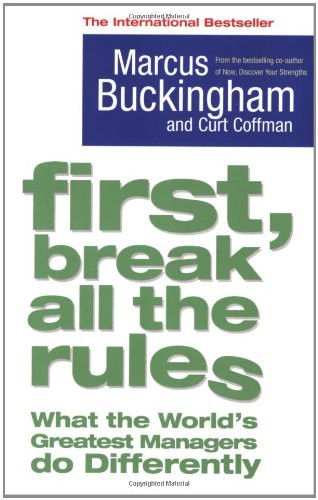
First, Break All the Rules

by Marcus Buckingham and Curt Coffman

View on Amazon →

"People leave managers, not companies."

Based on Gallup's exhaustive 20-year research with over 1 million employees and 80,000 managers, this book reveals what the world's best managers do differently. The authors discovered that great managers break conventional rules and instead focus on building on employee strengths, setting clear expectations, and creating opportunities for growth. The book presents 12 critical questions that predict team engagement and performance.

This is the definitive data-driven guide to modern people management, built on rigorous research rather than theory. The 12 questions framework provides a simple diagnostic tool for assessing team health and engagement. Understanding these findings helps managers stop wasting effort on broken conventional wisdom and focus on what actually drives performance.

  • Great managers select for talent, not skills and experience
  • Define outcomes, not steps; let people choose how they achieve results
  • Build on each person's unique strengths rather than trying to fix weaknesses
  • The 12 questions reveal what engaged, high-performing teams have in common
  • Focuses primarily on one-to-one management rather than organizational culture
  • The research is specific to certain industries and may not fully apply across sectors
  • Limited guidance on managing diverse teams and remote workforces

"This research-backed approach changes how leaders think about talent management."

Tom Rath, Gallup Senior Scientist

"The only management book based on extensive research into what actually works."

Marcus Buckingham, Co-author
04

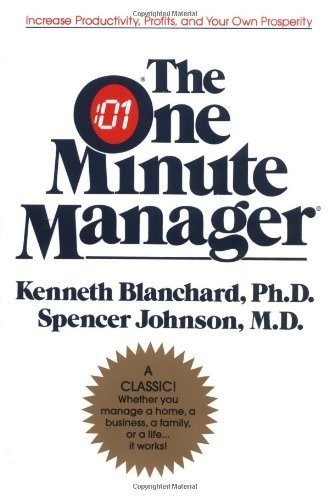
The One Minute Manager

by Ken Blanchard and Spencer Johnson

View on Amazon →

"Catch people doing something right."

This bestselling parable presents management wisdom in an accessible, story-driven format. Through a narrative following a young professional meeting with a seasoned manager, the book introduces three powerful management techniques: one-minute goals, one-minute praise, and one-minute redirects. The book's simplicity belies the depth and practicality of its core message about clear communication and frequent feedback.

This slim volume delivers profound management wisdom in digestible form, making it accessible for busy leaders while remaining remarkably practical. The one-minute techniques provide immediately actionable frameworks for the most critical management interactions. Its continued use by organizations worldwide demonstrates the timeless effectiveness of its core principles.

  • Clear, specific goals set expectations and enable success
  • Regular praise for progress motivates and reinforces desired behaviors
  • Quick, direct feedback corrects problems before they become entrenched
  • Management effectiveness comes from frequent, brief interactions, not lengthy processes
  • The parable format may feel dated to modern readers
  • Lacks depth on complex leadership scenarios and organizational challenges
  • Limited guidance on managing high-performing teams or scaling organizations

"I still give The One Minute Manager to every person I promote. It's an amazing resource on how to give feedback."

Will Guidara, Hospitality Leader

"One of the most useful management books ever written."

Stephen Covey, Author of The 7 Habits of Highly Effective People
05

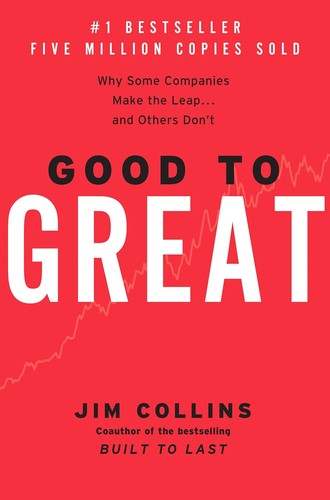
Good to Great

by Jim Collins

View on Amazon →

"Level 5 leaders display a powerful mixture of personal humility and indomitable will. They are ambitious, but their ambition is first and foremost for the cause, for the organization and its purpose, not themselves."

Jim Collins' groundbreaking research identifies what separates great companies from merely good ones. Through analyzing 11 companies that made the leap from good to great, Collins discovers common patterns: Level 5 leadership, getting the right people on the bus, confronting brutal facts, the hedgehog concept, and a culture of discipline. The book combines rigorous research with compelling storytelling to reveal the principles of sustainable competitive advantage.

This book fundamentally changed how organizations think about leadership and strategic transformation. Collins' Level 5 Leadership concept has become central to leadership development worldwide. Understanding why great companies stay great, and why others fail, provides essential strategy insights for executives building lasting organizations.

  • Level 5 leaders combine personal humility with fierce professional will
  • Get the right people on the bus, in the right seats, before deciding direction
  • Confront the brutal facts of current reality without losing faith in ultimate success
  • Create a culture of discipline through a consistent system of accountability
  • Some of the companies studied later faced challenges, raising questions about the sustainability of recommendations
  • Limited discussion of external market disruptions and technological change
  • The book's emphasis on finding perfect leadership fits may be unrealistic for many organizations

"An extraordinary book that should be required reading for every business leader."

Warren Buffett, CEO of Berkshire Hathaway

"Jim Collins provided critical insights that shaped my approach to transforming Ford."

Alan Mulally, Former CEO of Ford Motor Company

"A must-read for understanding what separates great companies from the rest."

Anne Mulcahy, Former CEO of Xerox
06

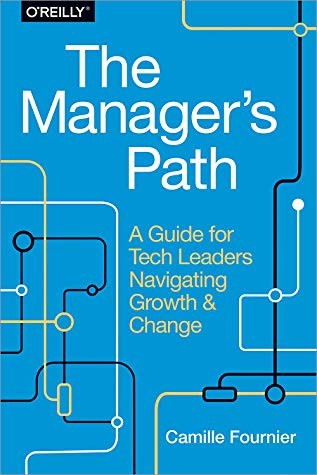
The Manager's Path

by Camille Fournier

View on Amazon →

"Regular 1-1s are like oil changes; if you skip them, plan to get stranded on the side of the highway at the worst possible time."

Camille Fournier, former CTO of Rent the Runway, guides tech leaders through each stage of career progression from engineer to manager. The book addresses the specific challenges tech leaders face: transitioning to management, building effective one-on-ones, conducting code reviews, managing engineers, navigating organizational growth, and developing organizational vision. Practical, honest, and deeply grounded in real-world experience.

This is the definitive guide for engineering leaders navigating the tech industry's unique challenges. Fournier's candid discussion of the difficulties of management transitions, the importance of technical credibility, and the evolution of leadership responsibilities makes this essential for any engineer moving into management. The book acknowledges the specific culture and challenges of tech organizations.

  • Successful transition to management requires letting go of hands-on coding
  • One-on-ones are the primary tool for developing your people and understanding their needs
  • Healthy code review culture requires clear standards, psychological safety, and consistent feedback
  • As you advance, your role shifts from individual contribution to developing others and building systems
  • The book is specifically focused on tech/engineering management and may not apply broadly
  • Limited discussion of managing non-engineering teams or cross-functional collaboration
  • Some sections may feel overwhelming for managers new to their roles

"A must-read for engineering leaders navigating growth and change."

Satya Nadella, CEO of Microsoft

"Fournier brings valuable perspective to the challenges of scaling engineering organizations."

Sheryl Sandberg, COO of Meta (formerly Facebook)
07

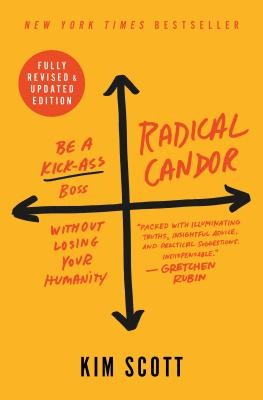
Radical Candor

by Kim Scott

View on Amazon →

"Make sure that you are seeing each person on your team with fresh eyes every day. People evolve, and so your relationships must evolve with them. Care personally; don't put people in boxes and leave them there."

Kim Scott presents a practical framework for being a good boss: Radical Candor, which means caring personally while challenging directly. Drawing on her experience at Google, Apple, and other leading companies, Scott shows how to give clear, kind feedback that helps people improve while maintaining caring relationships. The book addresses the specific feedback challenges managers face and provides concrete techniques for difficult conversations.

This book provides a much-needed antidote to feedback dysfunction in modern workplaces. Scott's framework of Radical Candor versus other feedback styles (ruinous empathy, obnoxious aggression, manipulative insincerity) helps managers understand their natural tendencies and improve. The emphasis on combining care with clarity is essential for building trust and psychological safety in teams.

  • Effective feedback requires both caring personally and challenging directly
  • Ruinous empathy (caring without challenging) stunts growth and creates problems
  • Obnoxious aggression (challenging without caring) damages relationships and trust
  • Radical Candor creates psychological safety while driving performance and growth
  • The framework's applicability may vary across different cultures and organizational contexts
  • Some may find the emphasis on direct challenge uncomfortable or counterproductive
  • Limited discussion of giving feedback across power dynamics or to senior leaders

"Kim has bottled some of Google's magic and shared it with the world."

Shona Brown, Former SVP of Google

"I'm pleased when our employees reference Radical Candor in conversations about feedback."

Christa Quarles, CEO of OpenTable

"Kim Scott offers valuable insight into workplace culture where leaders care deeply about employees."

Jeff Kinney, Author of Diary of a Wimpy Kid
08

An Elegant Puzzle

by Will Larson

View on Amazon →

"You only get value from projects when they finish: to make progress, above all else, you must ensure that some of your projects finish."

Will Larson distills his experience at Digg, Uber, and Stripe into a practical guide to engineering management. The book addresses the challenges engineering leaders actually face: sizing and structuring teams, handling technical debt, managing performance, developing succession plans, and navigating organizational growth. Larson combines systems thinking with pragmatic advice on the specific decisions that keep engineering organizations healthy.

This is essential reading for engineering managers at growth-stage companies. Larson's systems-oriented approach to organizational design and his honest discussion of tradeoffs help leaders make better decisions about team structure, technical strategy, and organizational evolution. The book fills a gap between tactical management books and high-level strategy guides.

  • Organizational structure should enable effective communication and decision-making at scale
  • Technical debt must be actively managed alongside feature development
  • Performance management requires clear expectations and consistent feedback
  • Succession planning ensures organizational resilience as leaders and teams evolve
  • The advice is tailored to growth-stage companies and may not apply to early-stage startups
  • Assumes existing technical infrastructure and established teams
  • Limited guidance on managing remote and distributed teams across time zones

"Will's insights shaped how we scale engineering at Stripe."

Patrick Collison, CEO of Stripe

"An overdue read for software engineering leads navigating organizational growth."

Jehan Tremback, Engineering Manager
09

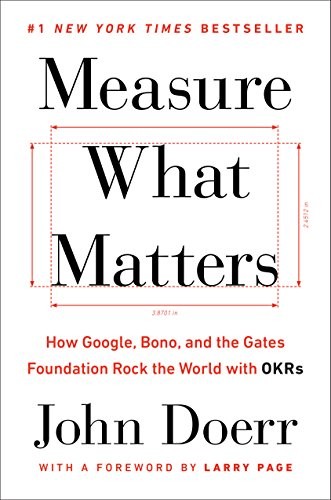
Measure What Matters

by John Doerr

View on Amazon →

"We must realize—and act on the realization—that if we try to focus on everything, we focus on nothing."

John Doerr demystifies Objectives and Key Results (OKRs), the goal-setting system that has powered explosive growth at Google, Intel, and countless other organizations. Through case studies from the Gates Foundation, Bono's ONE campaign, and leading tech companies, Doerr shows how OKRs create focus, alignment, and accountability. The book provides practical frameworks for implementing OKRs at any organization size.

OKRs have become the de facto goal-setting system for ambitious organizations worldwide. Understanding how to set effective OKRs, align teams around shared objectives, and track progress is essential for modern leaders. Doerr's book provides both the theory and practical implementation guidance needed to use OKRs effectively.

  • OKRs (Objectives and Key Results) create focus by limiting priorities and defining success metrics
  • Leaders must communicate the 'why' behind goals, not just the 'what'
  • Transparent OKRs across organizations create alignment and enable better decision-making
  • Regular check-ins and transparency allow course correction and learning throughout the goal cycle
  • OKRs may not work equally well for all organizational types or industries
  • Implementing OKRs without proper organizational culture can become mechanistic and demotivating
  • The book may underestimate the challenge of moving from traditional goal-setting to OKRs

"OKRs have helped lead us to 10x growth, many times over."

Larry Page, CEO of Alphabet and Google co-founder

"I'm a big believer in John Doerr's simple yet effective OKR system—I've seen it work firsthand."

Anne Wojcicki, Founder and CEO of 23andMe

"This crisp and colorful book shows how OKRs can add magic to organizations of any size."

Walter Isaacson, Biographer and Author
10

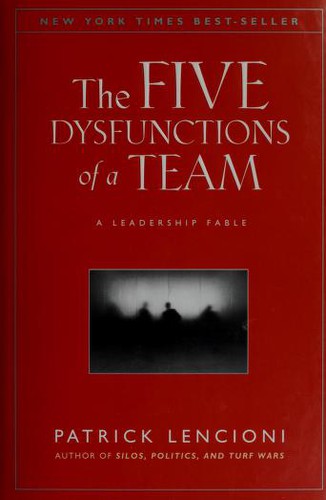
The Five Dysfunctions of a Team

by Patrick Lencioni

View on Amazon →

"Remember teamwork begins by building trust. And the only way to do that is to overcome our need for invulnerability."

Patrick Lencioni identifies and explains the five root causes of team dysfunction: absence of trust, fear of conflict, lack of commitment, avoidance of accountability, and inattention to results. Using a business fable format, Lencioni shows how these dysfunctions cascade and reinforce each other, and provides practical solutions for addressing each one. The book also includes an assessment tool and implementation guide for teams.

This book provides a clear diagnostic framework for understanding team problems and a roadmap for fixing them. Lencioni's insight that dysfunction is often rooted in low trust rather than poor process has transformed how leaders approach team development. Understanding the cascade of dysfunctions helps leaders address root causes rather than surface symptoms.

  • Trust is the foundation of effective teams; without it, all other interventions fail
  • Fear of conflict leads to artificial harmony and poor decision-making
  • Lack of commitment stems from insufficient input and debate during decision-making
  • Absence of accountability and inattention to results are symptoms of deeper trust and commitment issues
  • The business fable format may feel condescending to some readers or oversimplify complex dynamics
  • The model may not capture all important team dysfunctions in modern work environments
  • Limited guidance on addressing dysfunction in larger organizations or matrix structures

"Lencioni provides valuable insight into the emotional foundations of team performance."

Daniel Goleman, Psychologist and Author

"A masterful explanation of what makes teams work or fail."

Ken Blanchard, The One Minute Manager co-author
Back to all lists