10 Best Marketing Books

Essential Reads for Modern Marketers and Business Leaders

These ten books represent the cornerstone of modern marketing strategy and consumer psychology. From foundational principles about persuasion and positioning to contemporary frameworks for storytelling and growth, these titles have shaped how successful companies connect with customers and build lasting brands. Whether you're launching a startup or scaling an established business, these books provide proven strategies and actionable insights.

01

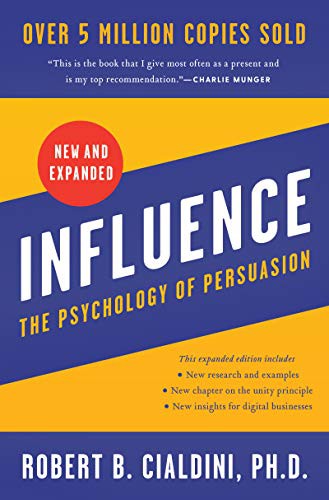
Influence: The Psychology of Persuasion

by Robert B. Cialdini

View on Amazon →

"People simply like to have reasons for what they do. When we ask someone to do us a favor we will be more successful if we provide a reason."

A groundbreaking exploration of the psychology behind why people say yes and how to apply these principles in marketing and sales. Cialdini reveals the six universal principles of influence—reciprocity, commitment, social proof, authority, liking, and scarcity—through captivating real-world examples. This revised edition includes a seventh principle, demonstrating how these timeless concepts remain relevant in the digital age.

This is the foundational text for understanding consumer psychology and persuasion. Its principles are embedded in virtually every successful marketing campaign and sales strategy. Understanding how influence works is essential for ethical and effective marketing in any industry.

  • Six universal principles drive human decision-making across cultures
  • Social proof and scarcity create powerful motivation for action
  • Authority and credibility build trust and influence outcomes
  • Reciprocity creates obligation and strengthens business relationships
  • Some principles may feel manipulative if applied unethically
  • Examples occasionally feel dated despite revisions
  • The book doesn't deeply explore digital and social media contexts

"A masterpiece on influence and persuasion."

Warren Buffett, Berkshire Hathaway CEO

"Essential reading for anyone interested in human behavior."

Daniel Kahneman, Nobel Prize-winning Psychologist

"One of the most influential books ever written on marketing and persuasion."

Ad Age, Leading Marketing Magazine
02

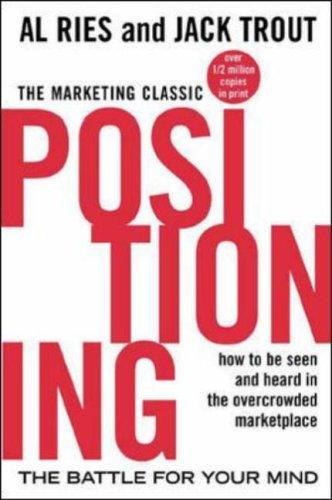
Positioning: The Battle for Your Mind

by Al Ries and Jack Trout

View on Amazon →

"Positioning is not what you do to a product. Positioning is what you do to the mind of the prospect."

The seminal work that introduced the concept of positioning as the cornerstone of modern marketing strategy. Ries and Trout argue that marketing is fundamentally a battle for position in the minds of consumers, not merely about product features or price. This book revolutionized how companies think about differentiation, competition, and strategic marketing communication.

Positioning remains the most important marketing concept for startups and established brands alike. It provides a strategic framework for how to think about your market, competitors, and message. Without clear positioning, all other marketing efforts become less effective.

  • Your position in the prospect's mind determines marketing success
  • First movers have a natural advantage in establishing mind positions
  • Repositioning competitors requires understanding their current position
  • Simplicity and clarity in positioning beat complexity every time
  • Examples are dated and from the 1980s advertising era
  • The book predates digital marketing and social media dynamics
  • Some principles feel less relevant in crowded modern markets

"Named #1 marketing book of all time by Ad Age readers."

Ad Age, Leading Marketing Publication

"A revolutionary approach to marketing strategy that changed the industry."

Philip Kotler, Marketing Theorist and Author

"The foundation of all modern marketing thinking."

Seth Godin, Bestselling Author and Marketer
03

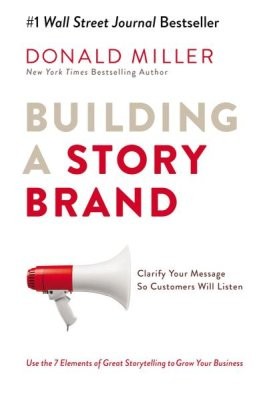
Building a StoryBrand: Clarify Your Message So Customers Will Listen

by Donald Miller

View on Amazon →

"The customer is the hero of the story, not your brand. Businesses that invite their customers into a heroic story grow. Businesses that don't are forgotten."

A practical guide to using narrative structure to clarify your marketing message and connect with customers on an emotional level. Miller teaches the StoryBrand framework, which positions the customer as the hero of the story with your brand as the wise guide. By applying universal storytelling principles to marketing, companies can craft messages that resonate and drive action.

In an attention-scarce world, clear storytelling separates successful brands from forgotten ones. This book provides a proven framework you can apply immediately to websites, presentations, and marketing materials. It transforms abstract marketing concepts into actionable storytelling techniques.

  • Position customers as heroes with your brand as their guide
  • Clear messaging requires understanding customer challenges and desires
  • Story structure makes marketing messages memorable and persuasive
  • The StoryBrand framework works across all marketing channels
  • The framework can feel formulaic if applied too rigidly
  • Examples focus heavily on corporate and B2B messaging
  • Some readers find the emphasis on storytelling oversimplified

"The single best marketing tool I know. Don Miller will teach you how to transform the lives of your customers."

John C. Maxwell, Leadership Expert and Author

"This framework changed our website and increased conversions dramatically. We implemented it company-wide."

Ken Blanchard, Co-author of The One Minute Manager

"Essential reading for clarifying your brand message and connecting with customers."

MarketingProfs, Marketing Education Platform
04

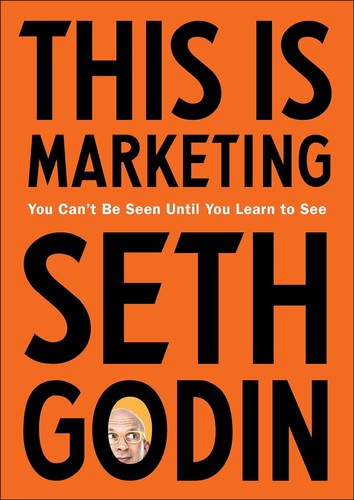
This Is Marketing: You Can't Be Seen Until You Learn to See

by Seth Godin

View on Amazon →

"Marketing is the generous act of helping someone solve a problem. Their problem. And it's the hard way to do business, but it's the only way that works."

A modern meditation on marketing that challenges conventional wisdom and proposes a human-centered approach focused on creating change for a specific audience. Godin argues that marketing is the generous act of helping someone solve a problem and that effective marketing requires understanding the irrational forces that drive behavior. This book is essential reading for anyone seeking to market with purpose and authenticity.

As traditional advertising becomes increasingly ineffective, understanding Godin's philosophy of purposeful, audience-focused marketing is critical. This book provides a mindset shift rather than just tactics, helping marketers think fundamentally differently about their role and responsibility.

  • Marketing works best when focused on serving a specific, aligned audience
  • Persistent, consistent storytelling builds trust and attention
  • People don't want your product; they want what it will do for them
  • The best marketers are farmers, not hunters—they plant, tend, and nurture
  • Philosophy-heavy with fewer tactical takeaways than some readers expect
  • Examples span many industries which can feel scattered
  • Some concepts require deeper thinking than conventional marketing texts

"Godin's most essential work on understanding modern marketing realities."

Publishers Weekly, Publishing Industry Authority

"A thought-provoking exploration of what marketing means in the modern world."

New York Times, Leading News Publication

"Changed how I think about my role and responsibility in marketing."

Marketing professionals across industries, Independent Endorsements
05

Contagious: Why Things Catch On

by Jonah Berger

View on Amazon →

"Word of mouth is the primary factor behind 20 percent to 50 percent of all purchasing decisions. How does it make people look to talk about a product or idea?"

A data-driven exploration of why certain ideas, products, and behaviors spread while others disappear. Berger identifies the six principles behind viral content and word-of-mouth success: social currency, triggers, emotion, public visibility, practical value, and stories. Using real-world examples from advertising to social media, this book reveals the hidden psychology driving contagious content.

Understanding virality and word-of-mouth is essential in the age of social media and digital marketing. Rather than relying on luck, Berger provides a scientific framework for designing products and messages that people naturally want to share with others.

  • Six principles explain why things spread: STEPPS framework
  • Social currency makes people feel smart and look good when sharing
  • Top of mind leads to tip of tongue through environmental triggers
  • Emotions drive sharing more than rational benefits
  • Some examples feel dated despite recent publication
  • The framework can oversimplify complex social dynamics
  • Digital algorithms affect virality in ways the book doesn't fully explore

"A fascinating and essential exploration of what makes ideas spread."

Malcolm Gladwell, Bestselling Author

"Brilliant insights into viral marketing and social psychology."

Anderson Cooper, CNN Journalist

"Essential reading for understanding how ideas gain momentum."

Wired Magazine, Technology and Culture Publication
06

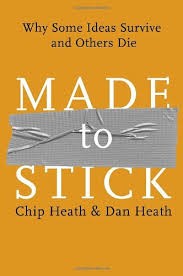
Made to Stick: Why Some Ideas Survive and Others Die

by Chip Heath and Dan Heath

View on Amazon →

"The core of the idea. The core of your idea must be both simple and profound. A designer knows he has achieved perfection not when there is nothing left to add, but when there is nothing left to take away."

A practical guide to creating ideas that stick in people's minds and drive action. The Heath brothers introduce the SUCCESs framework—Simplicity, Unexpectedness, Concreteness, Credibility, Emotional appeal, and Stories—which explains why certain ideas are memorable while others are forgotten. Packed with examples from business, politics, and popular culture, this book teaches the art of making ideas matter.

Every marketer and communicator needs to understand what makes ideas memorable and compelling. The SUCCESs framework is applicable across all business communication contexts, from presentations to email marketing to product launches.

  • SUCCESs framework: Simplicity, Unexpectedness, Concreteness, Credibility, Emotion, Story
  • Concrete details make abstract ideas easier to understand and remember
  • Unexpectedness breaks through clutter and captures attention
  • Emotional resonance combined with logic creates persuasive messages
  • Some examples feel somewhat removed from core marketing contexts
  • The framework requires discipline to avoid over-complication
  • Digital marketing examples are limited

"A bestseller that explains why some ideas survive and others fail."

New York Times, Leading News Publication

"The best business book for understanding communication and persuasion."

BusinessWeek, Business Publication

"Top 10 Business Book—a practical guide to crafting memorable messages."

Amazon, Online Retailer
07

Purple Cow: Transform Your Business by Being Remarkable

by Seth Godin

View on Amazon →

"In a crowded marketplace, fitting in is failing. The old rule was create safe, ordinary products and combine them with great marketing. The new rule is create remarkable products that the right people seek out."

A provocative look at why mediocre marketing fails and how to create remarkable products and services that attract attention naturally. Godin argues that in an oversaturated market, the only way to stand out is to be so remarkable that people can't help but talk about you. The 'Purple Cow' metaphor represents the kind of product or service so unexpected and valuable that it becomes inherently worth discussing.

This book challenges the traditional advertising playbook and argues that great marketing starts with a remarkable product, not a great ad campaign. It's essential reading for product teams and entrepreneurs who want to build something worth talking about.

  • Being remarkable is essential in crowded markets—fitting in means failing
  • Products, not ads, should be the focus of marketing strategy
  • Targeting the right audience is more important than mass appeal
  • Word-of-mouth comes from being so remarkable that people must share
  • The concept of 'remarkable' is subjective and context-dependent
  • The book is relatively short with limited practical frameworks
  • Some criticism that not all products can or should be remarkable

"A brilliant exploration of why remarkable is the only marketing strategy that works."

FastCompany, Business Magazine

"Changed my perspective on what marketing really means and how to build successful businesses."

Amazon Readers, Customer Reviews

"Essential reading for entrepreneurs building products people talk about."

Inc. Magazine, Entrepreneurship Publication
08

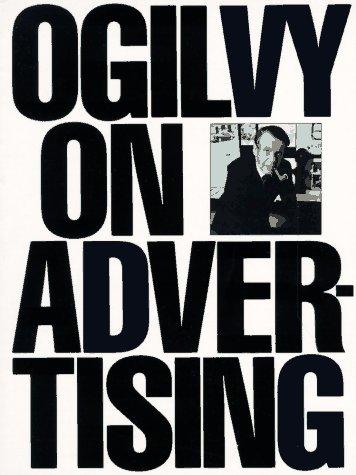
Ogilvy on Advertising

by David Ogilvy

View on Amazon →

"I do not regard advertising as entertainment or an art form, but as a medium of information. When I write an advertisement, I don't want you to tell me that you find it creative. I want you to find it so interesting that you buy the product."

A masterclass in advertising from one of the field's greatest practitioners. Ogilvy shares practical wisdom accumulated over decades, covering everything from writing effective copy to researching markets to managing creative teams. His philosophy emphasizes respect for the consumer, the importance of big ideas, and the critical role of testing and data in advertising. This timeless classic remains as relevant today as when first published.

Ogilvy's principles of effective advertising transcend the era in which they were written. Whether you're building digital campaigns, writing website copy, or creating social media content, understanding his approach to connecting with audiences and respecting consumer intelligence is invaluable.

  • Advertising works best as a medium of information, not entertainment
  • The consumer isn't a moron—she is your wife; respect her intelligence
  • Big ideas combined with rigorous testing create effective advertising
  • Never stop testing and your advertising will never stop improving
  • Some examples reflect mid-20th century advertising norms
  • Heavy focus on traditional advertising with less on digital channels
  • Style and tone can feel dated to modern readers

"The definitive work on advertising strategy and execution."

Advertising Age, Advertising Industry Publication

"The best advertising book ever written. Required reading for understanding effective marketing."

Steve Jobs, Apple Founder

"Ogilvy's principles remain the gold standard for advertising effectiveness."

Modern Advertising Professionals, Industry Consensus
09

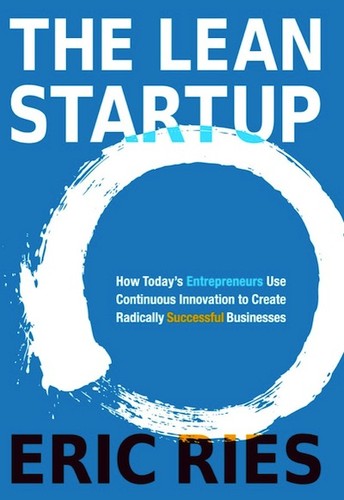
The Lean Startup: How Today's Entrepreneurs Use Continuous Innovation to Create Radically Successful Businesses

by Eric Ries

View on Amazon →

"Startup success can be engineered by following the process, which means it can be learned, which means it can be taught. We must learn what customers really want."

A revolutionary framework for building businesses through rapid experimentation and validated learning. Ries introduces the Build-Measure-Learn feedback loop and the concept of the Minimum Viable Product (MVP), enabling entrepreneurs to test hypotheses quickly with real customers rather than relying on lengthy planning cycles. This approach reduces wasted effort and accelerates the path to product-market fit.

The Lean methodology has become the standard approach for startups and product teams across industries. Understanding how to test ideas rapidly, measure results, and learn from failure is essential for anyone developing new products or services in uncertain markets.

  • Build-Measure-Learn feedback loops accelerate product development
  • Minimum Viable Products test assumptions with real customer data
  • Validated learning beats planning in uncertain environments
  • If you cannot fail, you cannot learn meaningful lessons
  • The MVP concept is sometimes misused to ship unfinished products
  • Some argue the approach works better for tech than traditional industries
  • Requires strong data and testing discipline to implement correctly

"Revolutionary approach to building businesses in uncertain markets."

BusinessWeek, Business Publication

"Changed how entrepreneurs build and test business ideas."

Fast Company, Innovation Magazine

"The playbook for modern startup success and product development."

Paul Graham, Y Combinator Founder
10

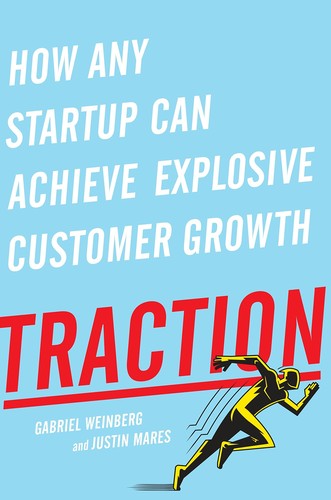
Traction: How Any Startup Can Achieve Explosive Customer Growth

by Gabriel Weinberg and Justin Mares

View on Amazon →

"The only essential thing is growth. Everything else we associate with startups follows from growth. The Bullseye framework helps you find the channel that will get you traction."

A practical playbook for finding and optimizing the marketing channels that drive customer growth. Weinberg and Mares introduce the Bullseye Framework, which helps startups systematically test the 19 different traction channels available to find the one that works best for their specific business. By combining real startup stories with actionable frameworks, this book bridges the gap between theory and execution in customer acquisition.

Customer acquisition is the lifeblood of any startup. Rather than randomly trying different marketing channels, the Bullseye Framework provides a systematic approach to finding the channel that will drive sustainable growth for your specific product and market.

  • Bullseye Framework: outer ring of possibilities, middle ring of promising channels, inner bullseye of focus
  • Test multiple channels simultaneously then double down on what works
  • Most startups need only one working distribution channel to succeed
  • Channel effectiveness varies dramatically by product and market
  • Some channels are more applicable to tech startups than other industries
  • Requires significant testing budget and willingness to experiment
  • Results can vary wildly based on product type and target audience

"Essential reading for any startup founder focused on customer acquisition."

Y Combinator, Top Startup Accelerator

"The definitive guide to finding and optimizing your distribution channels."

Jason Fried, Basecamp CEO

"Required reading for founders building scalable businesses."

500 Startups, Venture Capital Fund
Back to all lists