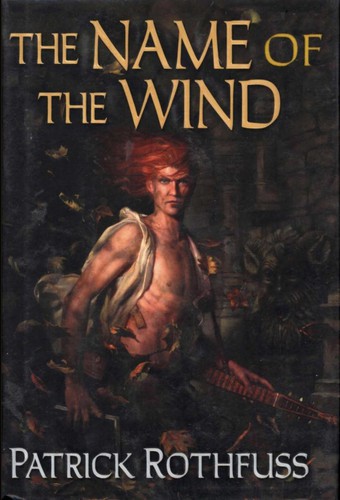
The Name of the Wind
"There are three things all wise men fear: the sea in storm, a night with no moon, and the anger of a gentle man."
The Name of the Wind tells the story of Kvothe, a legendary figure who recounts his extraordinary journey from a traveling performer's son to a famous wizard and adventurer. Set in a richly detailed world, the novel combines coming-of-age storytelling with mystery and magic. Rothfuss masterfully weaves together tales of love, loss, and the power of names themselves.
This novel redefined modern fantasy with its intricate prose, unreliable narrator, and deep exploration of magic systems. Rothfuss's linguistic precision and the frame narrative structure influenced a generation of fantasy writers. The book's treatment of identity and naming in fantasy became a benchmark for the genre.
- Names hold power and shape reality itself in fantasy worlds
- Unreliable narrators add complexity and depth to storytelling
- Coming-of-age narratives can anchor grand fantasy epics
- Lyrical, musical prose elevates fantasy above typical genre conventions
- The second book's release took over a decade, frustrating devoted readers
- The pacing in the middle sections can feel slow and self-indulgent
- Some readers find the protagonist unlikeable or the power progression unrealistic
"He's bloody good, this Rothfuss guy."
George R. R. Martin, Author, A Song of Ice and Fire"It is a rare and great pleasure to come on somebody writing the way [Patrick Rothfuss does], not only with the kind of accuracy of language that seems to me absolutely essential to fantasy-making, but with real music in the words as well."
Ursula K. Le Guin, Legendary Fantasy Author"Rothfuss has real talent, and his tale of Kvothe is deep and intricate and wondrous."
Terry Brooks, Author, The Shannara Chronicles