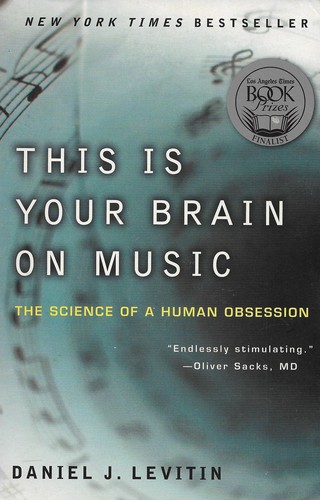
This Is Your Brain on Music: The Science of a Human Obsession
View on Amazon →"Listening to music coordinates more disparate parts of the brain than almost anything else. Playing music uses even more, engaging visual, auditory, and motor cortices simultaneously."
Levitin, a neuroscientist and accomplished musician, explores the science of music perception. He examines how the brain processes rhythm, melody, and harmony, why certain music moves us emotionally, how music shapes memory, and why music appears fundamental to human consciousness across all cultures.
Understanding music's neurological basis—how different brain regions coordinate to process sound, how music creates emotional response, why talent matters less than practice—provides scientific foundation for musicians seeking to understand their craft. This knowledge elevates musical practice from intuitive activity to informed discipline.
- How the brain processes musical elements like rhythm, harmony, and melody
- The relationship between emotional response and neurological processing
- Why music is fundamental to human cognition and culture
- Practice rather than talent as the driving force behind musical expertise
- Scientific approach may feel overly technical to non-specialists
- Focuses on Western popular music primarily
- Limited coverage of composition or performance technique
"Levitin's accessible approach to music neuroscience has transformed how musicians and educators understand the scientific basis of their practice."
Neuroscience and Music Education Community, Scientific Research