10 Best Startup Books

Essential reading for entrepreneurs building transformational businesses

From foundational methodology to scaling strategies, these 10 books represent the most influential works in modern entrepreneurship. Whether you're validating your first idea, securing funding, or scaling rapidly, these titles provide frameworks and insights from the world's most successful founders and investors.

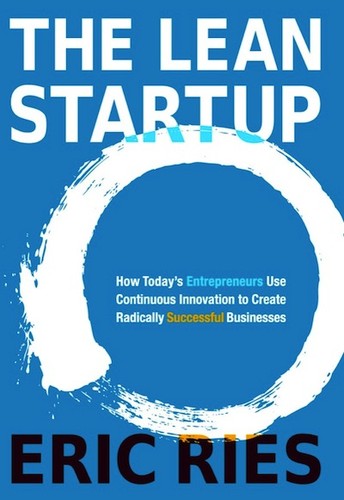
Introduces the lean startup methodology, emphasizing rapid iteration and validated learning. Ries argues that startups should test assumptions through minimum viable products (MVPs) and pivot based on real customer feedback rather than detailed business plans. This framework has revolutionized how entrepreneurs approach building and launching new businesses.

Establishes the fundamental methodology that has become the gold standard for startup development. The concepts of MVP, pivoting, and validated learning are essential knowledge for any entrepreneur. This book provides the practical framework that transforms startup culture from gut-feeling decisions to data-driven experimentation.

  • Build a minimum viable product (MVP) to test core assumptions quickly
  • Measure progress through validated learning, not vanity metrics
  • Use rapid iteration and pivots based on customer feedback
  • Innovation accounting provides a systematic way to assess startup progress
  • Critics argue the methodology can lead to insufficient planning and premature scaling
  • The MVP approach may not apply well to capital-intensive or hardware businesses
  • Some suggest over-emphasis on metrics can ignore qualitative customer insights

"Eric Ries has taken the Customer Development methodology and woven it into a narrative that will change how startups are built forever."

Steve Blank, Lean Startup Pioneer & Author

"Highly relevant to anyone building innovative businesses or managing innovation within larger organizations."

Jeff Bezos, Founder, Amazon
02

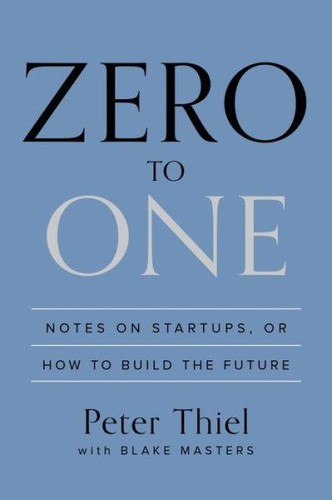
Zero to One: Notes on Startups, or How to Build the Future

by Peter Thiel with Blake Masters

View on Amazon →

"The most contrarian thing of all is not to oppose the crowd but to think for yourself."

Offers contrarian principles for building truly innovative companies that create new markets rather than competing in existing ones. Thiel argues for monopolies through differentiation, the importance of timing, and building a powerful team. The book challenges conventional startup wisdom and emphasizes vertical progress (0 to 1) over horizontal scaling (1 to n).

Provides counterintuitive insights that distinguish truly innovative startups from those merely copying successful models. Thiel's frameworks for thinking about competition, monopolies, and building unique businesses offer strategic depth that complements more tactical lean startup methodologies. Essential for founders thinking beyond incremental improvement.

  • Competition is destructive; build a monopoly through unique differentiation
  • Create value by going from zero to one, not scaling from one to many
  • Focus on the power law; concentrate resources on the few things that matter
  • Build a team with shared values and a common purpose
  • The monopoly thesis is controversial and can seem to contradict modern competitive markets
  • Lacks practical implementation details compared to more tactical startup guides
  • Some concepts are presented without extensive empirical validation

"This book captures the essential elements of what makes a startup successful."

Elon Musk, Founder, Tesla and SpaceX

"Thought-provoking insights that challenge conventional wisdom in tech and business."

Reid Hoffman, Founder, LinkedIn
03

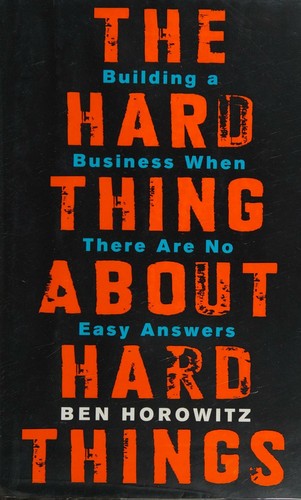
The Hard Thing About Hard Things: Building a Business When There Are No Easy Answers

by Ben Horowitz

View on Amazon →

"As a startup CEO, I slept 4 hours per night and drank a bottle of red wine and chain smoked cigarettes every night to cope with the stress."

Addresses the brutal realities of founding and leading a startup, tackling the emotional and decision-making challenges that textbooks avoid. Horowitz draws from his own experiences at Netscape and Loudcloud, providing candid advice on managing through crises, dealing with failure, and making impossible decisions. This book is unflinching about the actual experience of building a company.

Fills a crucial gap by discussing the psychological and interpersonal challenges of entrepreneurship that other books minimize. Horowitz's battle-tested insights on management, culture, and crisis response are invaluable for founders facing real obstacles. The emotional honesty helps entrepreneurs prepare mentally for the startup journey.

  • Prepare for crises; they are inevitable, not exceptional, in startup leadership
  • Cultural principles must be established early and defended rigorously
  • The role of a CEO is to know the brutal truths about your business
  • Sometimes you have to do the hardest thing by yourself and accept the consequences
  • The emphasis on crisis and difficulty may be demoralizing to early-stage founders
  • Focuses heavily on high-tech examples that may not apply to all industries
  • Some management advice is rooted in specific contexts that may not generalize

"A brutally honest account of what it's really like to be a CEO when everything is falling apart."

Marc Andreessen, Co-Founder, Andreessen Horowitz

"Essential reading for anyone in leadership dealing with complexity and change."

Satya Nadella, CEO, Microsoft
04

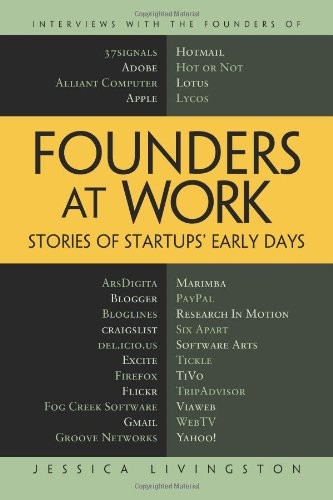
Founders at Work: Stories of Startups' Early Days

by Jessica Livingston

View on Amazon →

"The best part about starting a company is that you can focus completely on what you're building without having to worry about anything else."

A collection of interviews with founders of successful technology startups, including Steve Wozniak, Steve Jobs, Paul Buchheit (Gmail), and others. Through first-person narratives, readers gain insight into the real challenges, decisions, and circumstances that shaped these iconic companies. The book emphasizes the unglamorous aspects of starting a company.

Provides authentic, granular accounts of how real startups were built that surpass any narrative explanation. The diverse perspectives across different founders reveal both universal principles and the unique circumstances that define each venture. This book demonstrates that startup success rarely follows a single path.

  • Most successful startups began with founders solving problems they personally experienced
  • Early decisions that seem minor often have outsized impacts on company trajectory
  • Persistence through early failure and rejection is nearly universal among successful founders
  • Building great products matters far more than having a perfect business plan
  • Survivorship bias; only successful founders are interviewed, not those who failed
  • The timing of these interviews may not reflect current market dynamics
  • Some experiences are specific to the dot-com era and may not apply today

"Captures the real early stories that inspired a generation of entrepreneurs."

Paul Buchheit, Creator, Gmail

"These stories are essential knowledge for anyone considering building a startup."

Jessica Livingston, Co-Founder, Y Combinator
05

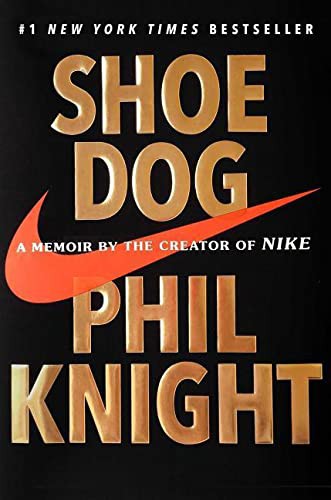
Shoe Dog: A Memoir by the Creator of Nike

by Phil Knight

View on Amazon →

"Don't tell people how to do things, tell them what to do and let them surprise you with their results."

Phil Knight's memoir details the founding and growth of Nike from its origins as Blue Ribbon Sports to becoming a global powerhouse. Knight recounts the pivotal moments, relationships, and decisions that shaped the company, with particular attention to the importance of design, athlete partnerships, and international expansion. This is a deeply personal account of entrepreneurial persistence.

Demonstrates how long-term vision, unwavering commitment, and adaptation can build a lasting company worth billions. Knight's story illustrates that great companies are often built over decades, not rapid scaling cycles. The narrative shows the importance of product obsession and understanding your customer.

  • Relentless focus on product quality builds long-term competitive advantage
  • International expansion requires understanding local markets and partnerships
  • The right co-founder relationships are foundational to company success
  • Persistence through repeated setbacks and near-bankruptcies is essential
  • The memoir covers a specific era that may not be applicable to modern digital-first startups
  • Some critical perspectives on Nike's labor practices receive limited attention
  • The scale of capital required for Nike is not representative of typical startups

"A truly inspiring American business story about a company that thrived for generations."

Warren Buffett, CEO, Berkshire Hathaway

"One of the most engaging entrepreneurial memoirs ever written."

Bill Gates, Co-Founder, Microsoft
06

Rework: Change the Way You Work Forever

by Jason Fried and David Heinemeier Hansson

View on Amazon →

"Inspiration is for amateurs. The rest of us just get to work."

Co-founders of Basecamp challenge conventional business wisdom with contrarian advice on building sustainable, profitable businesses. The book advocates for simplicity, ignoring the noise of Silicon Valley advice, staying small and profitable, and prioritizing employee happiness. Fried and Hansson argue that less is more in business planning and execution.

Provides an alternative perspective to venture-backed, high-growth startups that dominate business literature. For founders interested in sustainable, profitable companies without external investment, this book offers practical and philosophical guidance. The straightforward writing style and bite-sized insights make it highly actionable.

  • Build profitable businesses without requiring venture capital or rapid growth
  • Simplicity in product design and business operations creates competitive advantage
  • Remote work can be more effective than traditional office environments
  • Iterate based on real customer needs, not abstract business plans
  • The approach may not work for capital-intensive industries or businesses requiring network effects
  • Advice is influenced by Basecamp's specific business model and may not generalize broadly
  • Dismisses some conventional business practices without fully acknowledging their legitimacy

"Finally, a book that tells the truth about how to run a company without the typical startup mythology."

Seth Godin, Entrepreneur & Author

"Refreshingly honest perspective on building real businesses with real values."

Evan Williams, Co-Founder, Twitter and Blogger
07

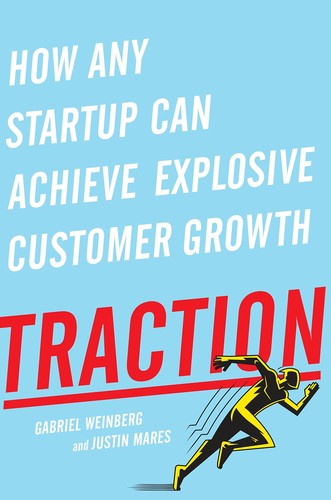
Traction: How Any Startup Can Achieve Explosive Customer Growth

by Gabriel Weinberg and Justin Mares

View on Amazon →

"If you can't grow profitably, then you don't have a business. You have a hobby."

Presents a systematic framework for acquiring customers through 19 different channels, from SEO to viral marketing to direct sales. Rather than advocating for a single growth strategy, Weinberg and Mares argue that startups should test multiple channels systematically to find their core lever. The book provides specific tactics for each channel and frameworks for measuring effectiveness.

Addresses the critical gap between building a product and acquiring customers systematically. While many startup books focus on product development, this book provides tactical, battle-tested strategies for achieving growth. The framework of testing multiple channels is universally applicable across industries.

  • Test multiple traction channels systematically to find your primary growth lever
  • The best traction channel for your startup depends on your specific product and audience
  • Focus deeply on the one or two channels that generate the most sustainable growth
  • Measure and optimize each channel's conversion and retention metrics
  • The 19 channels may be overwhelming for early-stage founders with limited resources
  • Some channels require capital or resources not available to bootstrap startups
  • The framework emphasizes quantity of channels over depth of execution

"The definitive playbook for startup customer acquisition with practical, tested strategies."

Andrew Chen, Growth Advisor & Investor

"Essential reading for understanding how to drive sustainable growth."

Evan Williams, Co-Founder, Twitter and Medium
08

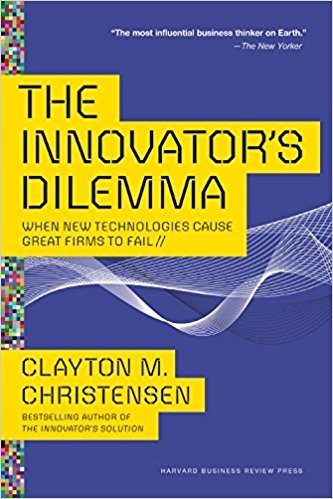
The Innovator's Dilemma: When New Technologies Cause Great Firms to Fail

by Clayton M. Christensen

View on Amazon →

"The technologies that underperform today may be the disruptive technologies that define tomorrow."

Explores why successful, well-managed companies can fail when facing disruptive innovation. Christensen introduces the concept of 'disruptive innovation'—technologies that initially underperform established solutions but eventually surpass them. The book explains why incumbent firms struggle to respond, providing insights crucial for both startups and established companies.

Offers frameworks for understanding technological disruption that affect both startup strategy and competitive positioning. Startups building disruptive businesses can use these insights to understand incumbent responses, while established companies can learn why complacency is dangerous. This book is foundational for anyone interested in innovation strategy.

  • Disruptive innovations often target different customer segments before displacing incumbent market leaders
  • Successful companies can fail because their management processes are optimized for existing markets
  • Understanding whether your technology is disruptive helps shape your business strategy
  • Building new market applications for technology can be more successful than competing on performance
  • The 'disruptive innovation' framework has been applied to many situations where it doesn't clearly apply
  • Some case studies show mixed results when examined in retrospective detail
  • The theory emphasizes market structure over other factors like execution and talent

"Fundamental thinking about why great companies can fail and how to create lasting impact."

Steve Jobs, Founder, Apple

"Essential framework for understanding technological change and market disruption."

Jeff Bezos, Founder, Amazon
09

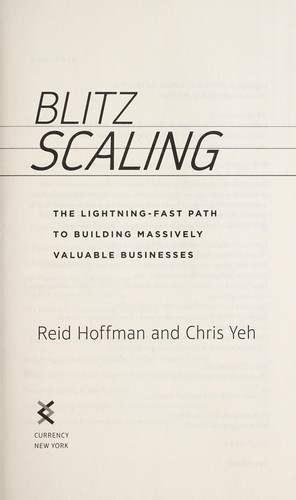
Blitzscaling: The Lightning-Fast Path to Building Massively Valuable Companies

by Reid Hoffman and Chris Yeh

View on Amazon →

"Blitzscaling requires accepting risk in order to maximize speed."

Extends the lean startup methodology to address hypergrowth phase, when startups need to scale rapidly to capture market opportunities. Hoffman and Yeh discuss how to recruit, organize, and manage rapid growth, and when to accept inefficiency in pursuit of speed. The book covers the specific challenges of scaling from early product-market fit to dominant market position.

While many books address early-stage startups, this book fills the crucial gap of scaling a successful startup into a category leader. The frameworks for organizational growth, hiring, and decision-making under uncertainty are essential for founders navigating rapid scaling. This is required reading for anyone who has achieved product-market fit.

  • Accept inefficiency and redundancy as the cost of rapid scaling
  • Hire selectively for core roles and scale hiring more liberally for execution roles
  • Organizational structure and communication protocols must evolve with company size
  • Focus on market opportunity and competitive dynamics rather than optimizing operations
  • The advice is most applicable to venture-backed, high-growth startups in tech
  • Accepting inefficiency can create cultural and operational problems if not managed carefully
  • The framework doesn't address sustainable long-term business practices

"Practical guidance for managing hypergrowth that every scaling founder should understand."

Bill Gates, Co-Founder, Microsoft

"Essential strategies for managing explosive growth while maintaining company culture and direction."

Sheryl Sandberg, COO, Meta Platforms
10

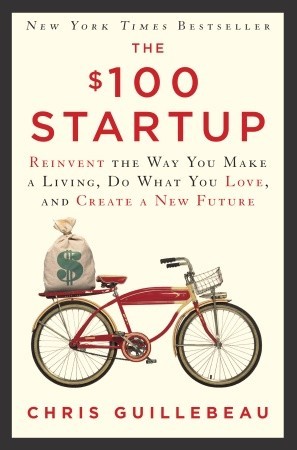
The $100 Startup: Reinvent the Way You Make a Living, Do What You Love, and Create a New Future

by Chris Guillebeau

View on Amazon →

"Your business idea is not your life. It's just a vehicle for your life."

Demonstrates how to start a viable business with minimal capital by focusing on solving real problems for willing customers. Guillebeau emphasizes discovering your unique offering, validating demand through pre-sales, and launching quickly. The book advocates for lifestyle businesses and side projects that generate income while maintaining autonomy and freedom.

Proves that you don't need millions in venture funding to build a successful business. For aspiring entrepreneurs with limited capital, this book provides a practical roadmap to test ideas and generate revenue quickly. The emphasis on customer validation and rapid iteration makes this essential reading for resource-constrained founders.

  • You can start a business with minimal capital by focusing on solving customer problems
  • Pre-sell your product or service before fully developing it to validate demand
  • Build a distribution channel directly to your target customers
  • Create a business that supports your lifestyle and values, not just maximum growth
  • The strategies may not scale to venture-backed growth trajectories
  • Limited capital constraints may inhibit businesses requiring infrastructure investment
  • The focus on lifestyle businesses may feel limiting to founders with larger ambitions

"Practical and inspiring guide for building meaningful businesses without relying on venture capital."

Tim Ferriss, Author, The 4-Hour Workweek

"Empowering framework that democratizes entrepreneurship for anyone with determination and creativity."

Jennifer Aaker, Professor, Stanford Graduate School of Business
Back to all lists